Related Articles
- Forgotten Legends: The Uncelebrated Athletes Behind Iconic Championship Moments
- Unconventional Rivalries: The Untold Stories That Forged Sporting Legends
- Unseen Rivalries: The Surprising Influence of Urban Legends on Local Sports Cultures
- Unearthing the Past: How Bizarre Equipment Choices Changed the Course of Legendary Matches
- Revisiting the Cultural Phenomenon: How Iconic Championships Influenced Fashion Trends on and off the Field
- Rediscovering the Forbidden: Banned Games and the Untold Stories of Their Prohibitive Rules
Unearthing E-Sports: Gamers Turning Traditional Athletes into Virtual Icons in an Unlikely Sports Renaissance
Unearthing E-Sports: Gamers Turning Traditional Athletes into Virtual Icons in an Unlikely Sports Renaissance
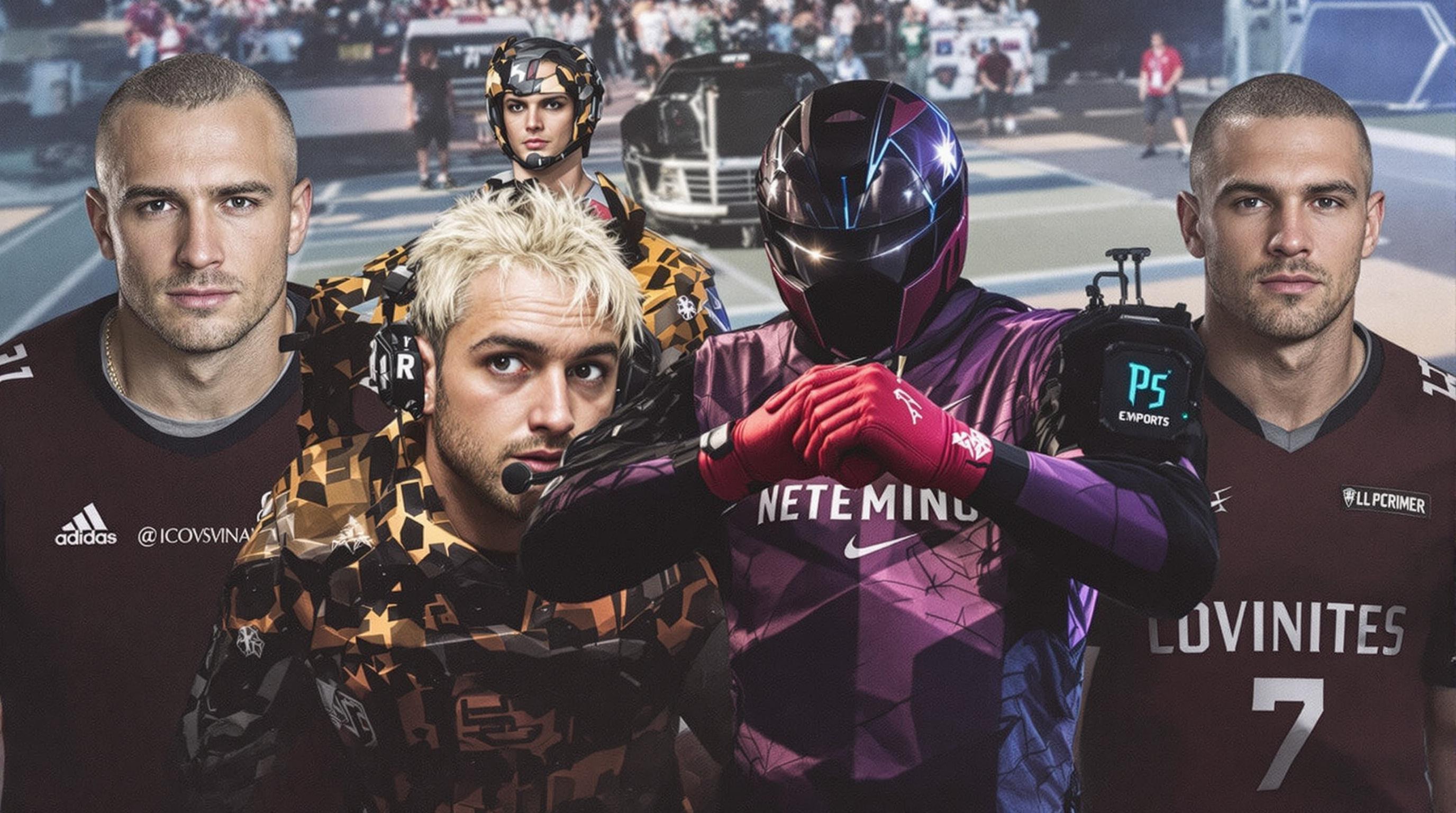
In this article, we unravel how e-sports is reshaping the world of athletics by turning traditional athletes into virtual icons, sparking an unexpected sports renaissance. From storytelling to statistics, and casual to formal tones, we explore the vibrant intersection of gaming and sports culture.
The Digitization of Sports Legends: When Icons Go Virtual
Imagine Lionel Messi not just on the pitch but dominating the virtual arenas of FIFA e-sports tournaments. This isn’t science fiction—it’s the new reality where celebrated athletes lend their personas to gaming platforms, amplifying their reach and relevance. The transformation of sports icons into virtual stars bridges the gap between physical prowess and digital mastery, expanding fan engagement worldwide.
A New Playground: Why E-sports Holds Traditional Sports' Attention
Let’s get real for a moment. Why are traditional sports athletes so keen on hopping onto the e-sports bandwagon? The answer lies in the explosive growth of e-sports—the global e-sports market reached approximately $1.38 billion in 2022, with over 450 million fans worldwide (Newzoo, 2022). This presents a lucrative opportunity for athletes to connect with a younger, digitally native audience and diversify their brand beyond the limitations of time-bound physical careers.
A Tale of Two Worlds: The Story of Neymar Jr.
Back in 2020, Neymar Jr., the famous Brazilian footballer, took to Twitch to stream his FIFA gameplay, attracting thousands of viewers. Not only did this allow his fans to see a new side of him, but it also solidified his relevance in the virtual sports realm. His journey from a traditional soccer superstar to an e-sports ambassador exemplifies this unexpected sports renaissance.
Changing the Game: E-sports Athletes as the New Role Models
Contrary to old stereotypes of gamers as reclusive or unathletic individuals, e-sports athletes showcase dedication, strategy, and teamwork rivaling traditional sports. For instance, the intense training regimens of professional League of Legends players often exceed 10 hours a day, demonstrating commitment comparable to NBA or NFL players.
When Virtual Meets Reality: Partnerships and Sponsorships
Sponsorship deal values further highlight the integration of traditional and virtual sports. Nike, a giant in athletic wear, partnered with e-sports teams like T1, signaling confidence in the market potential. This trend has pushed established sports brands to rethink marketing strategies, blurring lines between athletic shoes on the court and virtual gear in digital arenas.
Humor Break: Can E-sports Athletes Pull Off Slam Dunks?
While you won’t see an e-sports player making a slam dunk in the NBA, they slam dunk in the digital world—often with pixel-perfect precision! It’s a reminder that athleticism has many forms, whether it’s cardio and agility or quick reflexes and mental stamina.
The Economic Ripple Effect: How E-sports is Boosting the Sports Industry
Beyond entertainment, the integration of e-sports and traditional sports brings robust economic growth. Reports indicate that global e-sports sponsorship revenues increased by 23.1% year-over-year in 2023, reaching nearly $850 million (Statista, 2023). As traditional athletes become prominent virtual icons, merchandise sales, broadcast rights, and advertising avenues flourish in tandem.
Case Study: NBA 2K League – The Virtual Basketball Frontier
Formed in 2018, the NBA 2K League is a perfect example of traditional sports embracing e-sports. It provides teams and athletes a digital battleground to engage fans with a fusion of real-world basketball and high-octane gaming action. The league's growth has been spectacular; by 2023, it attracted over 20 million viewers, creating a novel crossover market for sports entertainment.
From Skeptic to Believer: Perspectives from Traditional Athletes
Interestingly, some traditional athletes initially doubted the legitimacy of e-sports. However, players like Michael Phelps and Serena Williams have since expressed admiration for the skill and discipline involved in competitive gaming. Their endorsements have helped elevate e-sports’ status among skeptical sports fans.
Youth Engagement and the Future of Sport
One of the most compelling arguments for this unlikely sports renaissance is its fostering of youth engagement. E-sports lowers entry barriers, allowing young fans and athletes globally to participate without expensive equipment or physical constraints. This inclusiveness encourages broader participation and may help uncover emerging talent across continents.
Conversational Anecdote: A Chat with a 16-Year-Old Gamer
“I love football, but playing FIFA online lets me compete with friends around the world anytime,” says Jamie, a 16-year-old avid gamer. “Watching my favorite players like Mbappé in games makes me feel connected, even if I can’t get to a stadium.” Jamie’s experiences underscore the deep connection fostered by virtual sports.
Challenges Ahead: Navigating Identity and Authenticity
However, this blending of realms is not without challenges. Issues around representation, digital identity, and the authenticity of virtual athletes spark debates. Fans sometimes question whether a gamer’s digital avatar can truly embody the spirit and legacy of human athletes. Balancing these concerns while leveraging technological advances remains a key hurdle moving forward.
Final Thoughts: A Thrilling Hybrid Future
In the evolving narrative of sports, the rise of e-sports alongside traditional athletics doesn’t signal competition but collaboration. This hybrid future respects the physical while celebrating the virtual, turning athletes into multi-dimensional icons that inspire on and offline. Whether you’re a die-hard sports fan or a casual gamer, this new era offers something electrifying for everyone.
Statistic Check: Audience Demographics
Interestingly, 64% of e-sports viewers are under 35, a demographic overlap with traditional sports fans that presents exciting cross-promotional potential (Newzoo, 2023). This shared audience encourages closer ties between gaming and sports franchises looking to thrive in the digital age.
Read More