Related Articles
- Forgotten Legends: The Uncelebrated Athletes Behind Iconic Championship Moments
- Unconventional Rivalries: The Untold Stories That Forged Sporting Legends
- Unseen Rivalries: The Surprising Influence of Urban Legends on Local Sports Cultures
- Unearthing the Past: How Bizarre Equipment Choices Changed the Course of Legendary Matches
- Revisiting the Cultural Phenomenon: How Iconic Championships Influenced Fashion Trends on and off the Field
- Rediscovering the Forbidden: Banned Games and the Untold Stories of Their Prohibitive Rules
The Rise of Digital Fan Culture: How Online Communities are Reshaping Athletic Experiences
The Rise of Digital Fan Culture: How Online Communities are Reshaping Athletic Experiences
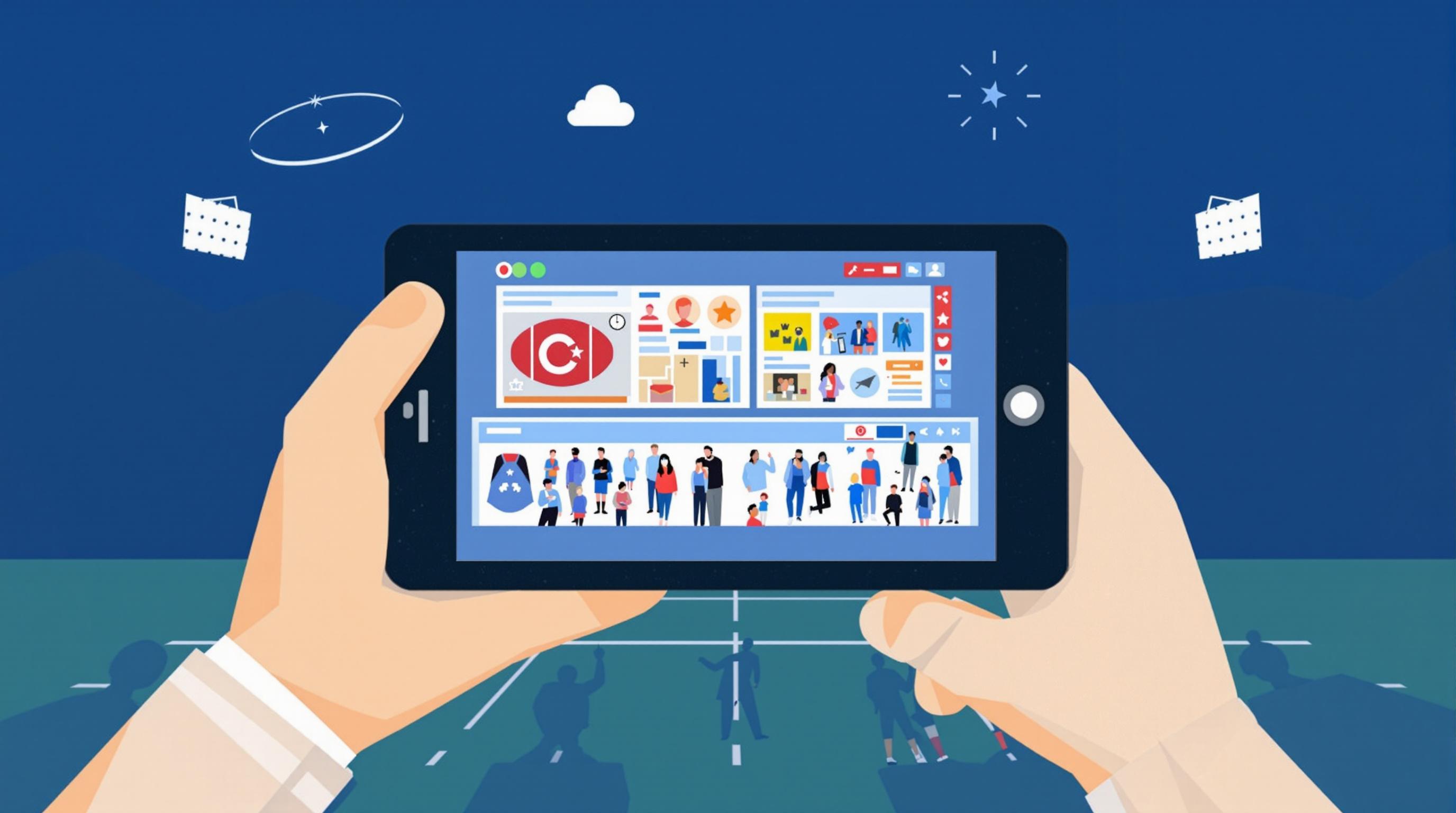
Digital fan culture is fundamentally transforming how we experience sports, creating immersive and interactive communities that redefine fandom itself. These online spaces empower fans to connect, celebrate, and influence athletic events in unprecedented ways.
Imagine a world where being a sports fan means more than just watching games on TV or heading to the stadium. A few years ago, I might have dismissed online fan communities as mere chatterboxes, but now, witnessing their evolution, I realize these digital hubs are the beating heart of modern sports culture. As a seasoned art historian at 52, accustomed to exploring timeless cultural movements, this new wave of athletic enthusiasm fascinates me anew.
The Digital Transformation of Athletic Fandom
The rise of social media platforms like Twitter, Reddit, and Discord has catalyzed the birth of global online fan communities dedicated to every conceivable sport. According to a 2023 Pew Research survey, 72% of sports fans under 40 engage with fan communities online, highlighting a generational shift in how fandom is expressed. These platforms provide real-time interaction, instant updates, and spaces to share passion, fundamentally reshaping the athletic experience.
From Passive Viewers to Active Participants
In the past, fans were predominantly passive spectators, engaging with sports through broadcast media or in-person events. But now they co-create the experience. For example, during the 2022 FIFA World Cup, fan forums facilitated direct dialogue between fans and commentators, influencing coverage and public opinion. This democratization enriches sporting narratives, turning spectators into stakeholders.
Case Study: The NBA's Embrace of Digital Fan Culture
Let's look at the NBA, a league that has led the charge in embracing online fan interaction. The introduction of in-game social features and fan-driven content has boosted viewer engagement significantly. NBA Twitter, often brimming with memes, debates, and highlights, exemplifies a lively ecosystem where fans not only consume but shape the narrative surrounding athletes and games. The league’s digital initiatives contributed to a 15% increase in viewership among 18-34-year-olds during the 2023 season (Sports Media Insights, 2023).
Bridging Distances: Global Connections Made Possible
Sports fandom has transcended borders thanks to digital fan culture. A teenage soccer enthusiast in Nairobi can now interact with peers in Barcelona or New York, exchanging perspectives and insights. These interactions not only expand cultural understanding but cultivate solidarity among diverse fandoms, creating a global tapestry of shared enthusiasm.
When Passion Meets Technology: Augmented Reality and Beyond
If virtual reality has transported art lovers to Renaissance galleries from their living rooms, augmented reality is now enhancing sports viewing. Apps that overlay real-time statistics and player information during live games deepen engagement. For instance, the MLB's implementation of AR features during broadcasts allowed fans to visualize pitch trajectories and player stats interactively, leading to a richer appreciation of the game's nuances.
A Word on Ethical Considerations
But it’s essential to reflect on the darker shades within digital fan culture. Online platforms, while fostering connection, can sometimes become breeding grounds for toxicity, harassment, and misinformation. The challenge moving forward is ensuring these communities remain inclusive and respectful spaces where all fans can share their love for sports safely.
Humor in the Digital Arena
Now, let’s lighten the mood! Fan memes are the digital era’s answer to the playful chants and signs once seen only in stadiums. Whether it’s a bizarrely photoshopped image of a player or a witty Twitter jab after a shocking upset, humor binds fans together. It’s sports culture’s universal language, transcending age and geography.
The Economic Impact of Digital Fan Culture
Marketing within these digital spheres is booming. Brands invest heavily in sponsoring fan content, influencer partnerships, and targeted ads. In 2022, digital fan engagement contributed approximately $3 billion to the sports economy worldwide (Global Sports Business Report, 2023). This commercialization not only fuels further innovations but also reflects the powerful economic role online fan culture plays.
Storytelling that Connects Generations
Recounting my experiences attending the Olympics in the early 2000s, the difference now is palpable. Missing are the days when fans waited for post-game recaps; today, stories unfold live, shared and shaped by countless voices. Digital fan culture allows the young college student and the elder retired athlete to commune over shared athletic heroes, knitting together generations through their love of the game.
Rallying Around Causes Beyond the Game
Fans today leverage their online communities to champion causes, from advocating for athlete mental health to campaigning against racism in sports. The social power embedded in these digital spaces exemplifies how fan culture has matured into a socially aware movement, one where voice and action intersect.
Looking Ahead: The Future of Digital Fan Communities
What lies ahead is a future where technology and fan passion fuse even more intricately. Emerging trends like blockchain-based fan tokens grant supporters a tangible voice in team decisions. As digital infrastructures continue to evolve, so too will the richness and complexity of fan experiences, forever transforming the landscape of athletic engagement.
Read More