Related Articles
- Forgotten Legends: The Uncelebrated Athletes Behind Iconic Championship Moments
- Unconventional Rivalries: The Untold Stories That Forged Sporting Legends
- Unseen Rivalries: The Surprising Influence of Urban Legends on Local Sports Cultures
- Unearthing the Past: How Bizarre Equipment Choices Changed the Course of Legendary Matches
- Revisiting the Cultural Phenomenon: How Iconic Championships Influenced Fashion Trends on and off the Field
- Rediscovering the Forbidden: Banned Games and the Untold Stories of Their Prohibitive Rules
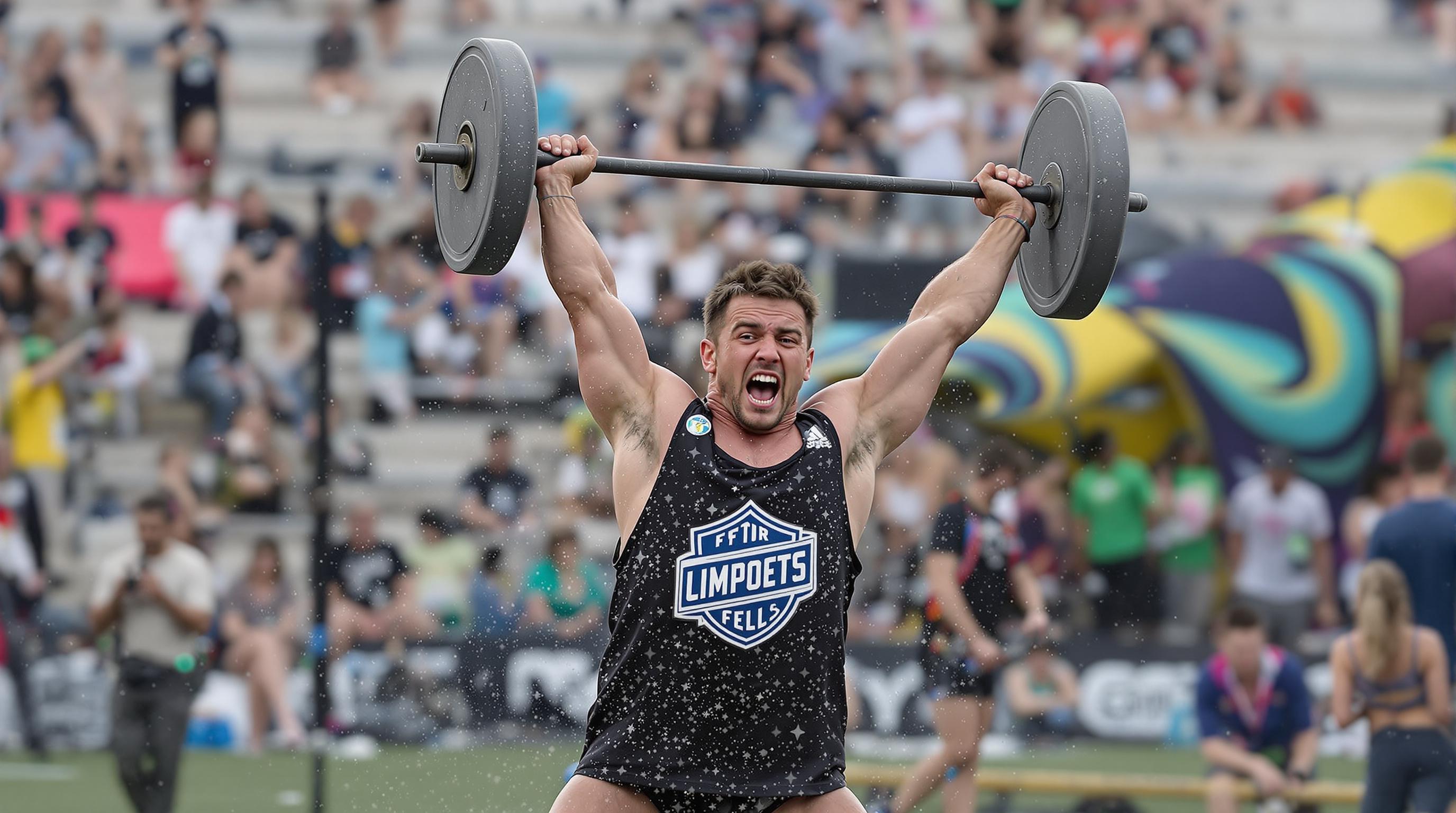
Unconventional Fitness Movements: How Unusual Sports are Challenging Traditional Athletic Norms and Creating New Fans
Unconventional Fitness Movements: How Unusual Sports are Challenging Traditional Athletic Norms and Creating New Fans
Unconventional fitness movements are reshaping how we perceive exercise, challenging the norms by introducing quirky and engaging sports that attract a diverse fan base. From underwater hockey to quidditch, these unusual activities blend fitness with fun, community, and innovation.
Picture this: a group of adults clad in swimming gear, frantically chasing a puck at the bottom of a pool. Underwater hockey, invented in the 1950s in the UK, is a perfect example of how alternative sports combine physicality with excitement. It involves swimming agility, breath control, and teamwork—skills often overlooked in traditional fitness routines. According to the Underwater Hockey International Federation, the sport has grown steadily, boasting over 40 countries now participating in international competitions.
Breaking the Mold: Why Traditional Sports Are No Longer Enough
Let's get real—running laps on a treadmill or lifting weights in a gym can get monotonous. Many people, especially younger generations, crave workouts that double as social events or creative outlets. The explosion of unconventional fitness movements reflects a broader cultural shift toward personalized and experiential wellbeing.
Research from the International Journal of Environmental Research and Public Health found that engaging in less conventional physical activities enhances emotional well-being and reduces dropout rates from fitness programs. The sense of play and novelty keeps participants hooked.
The Rise of Urban Sports: From Parkour to Roller Derby
Take parkour, the art of efficient movement through urban landscapes, which has morphed from a niche subculture to a global phenomenon with over a million practitioners (Traceur Culture Magazine, 2022). It's as much about mastering your environment as it is about physical fitness, emphasizing agility, strength, and creativity.
Similarly, roller derby, initially birthed in the 1930s but revived in the 2000s by grassroots movements, offers an anarchic blend of sport and performance art. Particularly popular among women, it challenges traditional gender roles in athletics. The Women’s Flat Track Derby Association reports over 450 leagues worldwide, showcasing how a sport once dismissed as circus spectacle has become a serious competitive outlet.
Case Study: Quidditch—the Sport Inspired by Literature
Born out of the Harry Potter fandom, quidditch has jumped off the pages and onto fields across the globe. Players run with broomsticks between their legs, combining elements of rugby, dodgeball, and tag. The International Quidditch Association grew from a handful of teams in 2005 to over 400 teams worldwide today. It’s a vivid example of how pop culture can inspire new fitness movements that unite people through shared narratives and imaginative play.
Now, why should traditional athletic norms even matter? Because they often create invisible barriers—the “too slow,” “too competitive,” or “too exclusive” attitudes are ingrained. Unconventional sports flip this script by welcoming diverse body types, skill levels, and motivations. You might not be a marathon runner, but you can be a fierce roller derby blocker or a nimble parkour traceur.
Social Impact Beyond Sweat: Community and Identity
What’s fascinating about these unusual sports is their social dimension. They foster camaraderie and collective identity among participants. For example, the sport of Bossaball—played on an inflatable court combining volleyball, trampolining, and soccer—thrives on fun and inclusivity, making it accessible to all ages and fitness levels.
According to a survey by the University of Leeds, members of unconventional sports clubs report higher levels of social connectedness and mental well-being than those participating only in traditional gym workouts. So these movements are more than fitness trends; they're lifestyle transformations.
The Economics of Niche Sports: From Side Hustles to Sponsorships
On a less poetic note, the financial dimension is critical in understanding this trend. While traditional sports enjoy hefty sponsorships, new fitness movements are finding innovative ways to monetize their appeal. For instance, obstacle racing events like Spartan Race have leveraged social media and an experiential format to generate over $250 million in annual revenue globally.
Plus, gear companies recognizing the emerging demand for specialized equipment—like parkour-friendly shoes or eco-friendly quidditch bludgers—have tapped into a dedicated market segment previously ignored by mainstream sports apparel brands.
Meanwhile, the humor found in some of these sports shouldn’t be underestimated. Take chessboxing—the blend of chess and boxing—crazy as it sounds, it demands intense mental and physical conditioning. Its quirky appeal has piqued curiosity worldwide, showing that exercise doesn’t always have to be serious. This lightheartedness lowers barriers to entry and defies the "athlete stereotype."
Personal Reflection: An 45-Year-Old Adopting New Fitness Trends
As a midlife fitness enthusiast, I can personally attest to the magnetic pull of unconventional sports. I traded my dusty gym membership for a roller derby league, and it transformed my attitude about exercise. It was less about counting reps and more about belonging to a tribe—a dynamic where bruises count as badges of honor, and training feels like play.
My journey reflects a broader truth: fitness isn't one-size-fits-all. Alternative sports offer fresh pathways for people across generations to reconnect with their bodies in joyful and surprising ways.
Future Outlook: Where Will Unconventional Sports Go Next?
Technology and creativity will continue to fuel the evolution of fitness. Virtual reality fitness games are already blurring the lines between workout and entertainment, while emerging sports like drone racing are appealing to tech-savvy populations.
Moreover, the pandemic era accelerated demand for home-based and hybrid fitness experiences, pushing unconventional movements to innovate rapidly. The intersection of physical and digital realms promises new formats that integrate social connection, gamification, and adaptive challenges.
In conclusion, these unconventional fitness movements do more than just challenge norms—they democratize fitness, foster communities, and inject a much-needed sense of play into exercise. Whether you're 16 or 70, there's a whole world of unusual sports waiting to get you moving in a way that feels joyful and uniquely yours.
Read More