Related Articles
- Forgotten Legends: The Uncelebrated Athletes Behind Iconic Championship Moments
- Unconventional Rivalries: The Untold Stories That Forged Sporting Legends
- Unseen Rivalries: The Surprising Influence of Urban Legends on Local Sports Cultures
- Unearthing the Past: How Bizarre Equipment Choices Changed the Course of Legendary Matches
- Revisiting the Cultural Phenomenon: How Iconic Championships Influenced Fashion Trends on and off the Field
- Rediscovering the Forbidden: Banned Games and the Untold Stories of Their Prohibitive Rules
Revisiting the Cultural Phenomenon: How Iconic Championships Influenced Fashion Trends on and off the Field
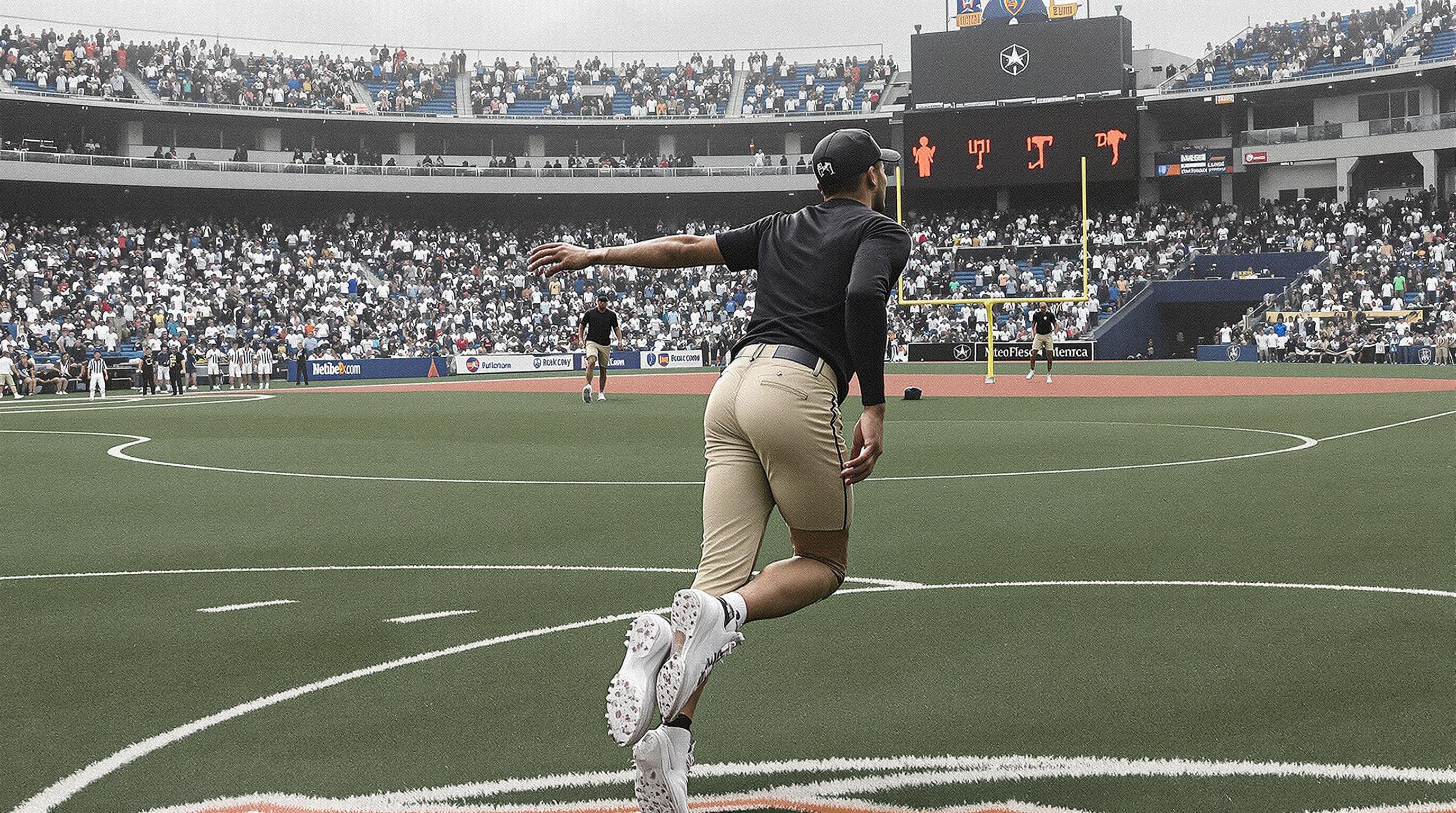
Revisiting the Cultural Phenomenon: How Iconic Championships Influenced Fashion Trends on and off the Field
Iconic championships not only shape the history of sports but also leave a lasting imprint on fashion, influencing trends both on the field and beyond. This article explores the multifaceted relationship between legendary tournaments and their profound effects on athletic and popular style cultures.
The Jersey That Changed the Game
Let’s rewind to the 1994 FIFA World Cup, where Brazil's yellow and green jerseys, more than just sports apparel, became global symbols of national pride and style. The widespread distribution and iconic design of these jerseys catalyzed a fashion movement that reached streetwear counters worldwide, illustrating the potent crossover from athletic gear to everyday fashion. According to the Nielsen Sports Report, licensed soccer merchandise sales increased by 35% globally in the year following the tournament, reflecting how championships can turn uniforms into coveted fashion statements.
A Casual Look with Competitive Roots
On the casual side of things, the National Basketball Association (NBA) Finals have repeatedly showcased how on-court performance gear inspires off-court fashion trends. Remember the rise of sneaker culture in the late 1980s? Michael Jordan’s Air Jordan line, which skyrocketed after the Chicago Bulls won multiple championships, changed not only basketball shoe design but also teenage and young adult fashion across the United States. Today’s generational echoes remind us how deeply these moments embed themselves in societal style consciousness.
Anecdote: From Stadium to Streets
One of my fondest memories—aged 42 and a lifelong fan of cultural intersections—dates back to Super Bowl XLII. The New York Giants’ unexpected victory sent fans into frenzies not only for souvenirs but styled hoodie jackets and caps mirroring the team’s colors, blending athletic wear with urban fashion. This moment showed how championships could create community identity through clothing beyond just sport, a tangible symbol on city streets.
Persuasive Take: Why Championships Create Fashion Movements
Championships are more than competitions; they are cultural moments ripe for fashion innovation. When athletes wear a certain brand or style during these pivotal games, millions of viewers are influenced instantly. Brands capitalize on this visibility, launching lines that mimic or are inspired by what was worn on the field. Ignoring this influence is akin to missing half of a cultural spectacle. For marketers and urban designers alike, championships are goldmines for testing what resonates with consumers across ages and backgrounds.
Statistics Speak: The Economic Impact of Championship-Inspired Fashion
To illustrate the scope, consider that the NFL merchandise revenue reached over $5 billion annually, with spikes consistent with Super Bowl advertising blitzes and championship wins (Statista, 2023). This economic activity is propelled by fans eager to purchase the "winning look," suggesting a direct tie between championship events and fashion commerce. Equally, collaborations between athletic brands and designers are becoming more frequent, targeting demographics that range from teens to people in their 60s and beyond.
Storytelling: The Mythical Jerseys of the 1970 World Cup
Legend has it that the 1970 World Cup’s Mexico squad’s green kit, hailed for its boldness and unique design, not only dominated the field but also inspired local fashion movements in Mexico City’s bustling markets. Vendors began selling shirts and replicas that embodied the national spirit uncovered during those matches. Decades later, these jerseys are collector’s items, illustrating how championship apparel can morph into cultural artifacts.
A Humorous Interlude on Fashion Flops at Championships
Not all championship-inspired fashion moments have been hits. Remember the 2010 World Cup’s mascot – Zakumi, and the kits that some called "eye-wateringly ugly"? Yes, fashion risks happen, and sometimes, championships create trends to avoid. But such fashion gaffes only add to the colorful tapestry of sportswear history, reminding us that experimentation is part of the process.
The Role of Gender and Cultural Identity
Another important dimension is how championship fashion reflects and sometimes challenges gender norms and cultural identities. Women’s sports championships, increasingly prominent today, offer fresh perspectives on athletic apparel marrying functionality with style trends. This evolution enhances inclusivity within fashion spheres traditionally dominated by male-centric sports narratives.
Case Study: The Wimbledon Whites Revisited
Wimbledon’s strict all-white dress code is arguably the longest-standing tradition influencing tennis fashion. But every few years, a player like Venus Williams or Serena Williams adds subtle stylistic flourishes to their all-white outfits, sparking debates and trends that reverberate well beyond the tennis court. This illustrates how established norms are challenged and reshaped through championship arenas.
Final Thoughts: Why Should We Care About Fashion in Championships?
The fusion of championship events and fashion is not superficial; it is an inextricable part of cultural expression and identity. The way fans and players dress is a language of allegiance, pride, and social influence. For anyone aged 16 to 70, recognizing these patterns offers insights into how sports catalyze broader societal shifts across generations.
In conclusion, iconic championships serve as powerful catalysts for fashion trends that transcend sports, shaping culture, economics, and identity in lasting ways. Whether you’re a teenage fan wearing a replica jersey or a 65-year-old collector of historic memorabilia, championship-inspired fashion offers a dynamic narrative of style intertwined with human stories.
Read More