Related Articles
- Forgotten Legends: The Uncelebrated Athletes Behind Iconic Championship Moments
- Unconventional Rivalries: The Untold Stories That Forged Sporting Legends
- Unseen Rivalries: The Surprising Influence of Urban Legends on Local Sports Cultures
- Unearthing the Past: How Bizarre Equipment Choices Changed the Course of Legendary Matches
- Revisiting the Cultural Phenomenon: How Iconic Championships Influenced Fashion Trends on and off the Field
- Rediscovering the Forbidden: Banned Games and the Untold Stories of Their Prohibitive Rules
Winners, Losers, and the Unexpected: How Extravagant Celebrations Impact Championship Legacies
Winners, Losers, and the Unexpected: How Extravagant Celebrations Impact Championship Legacies
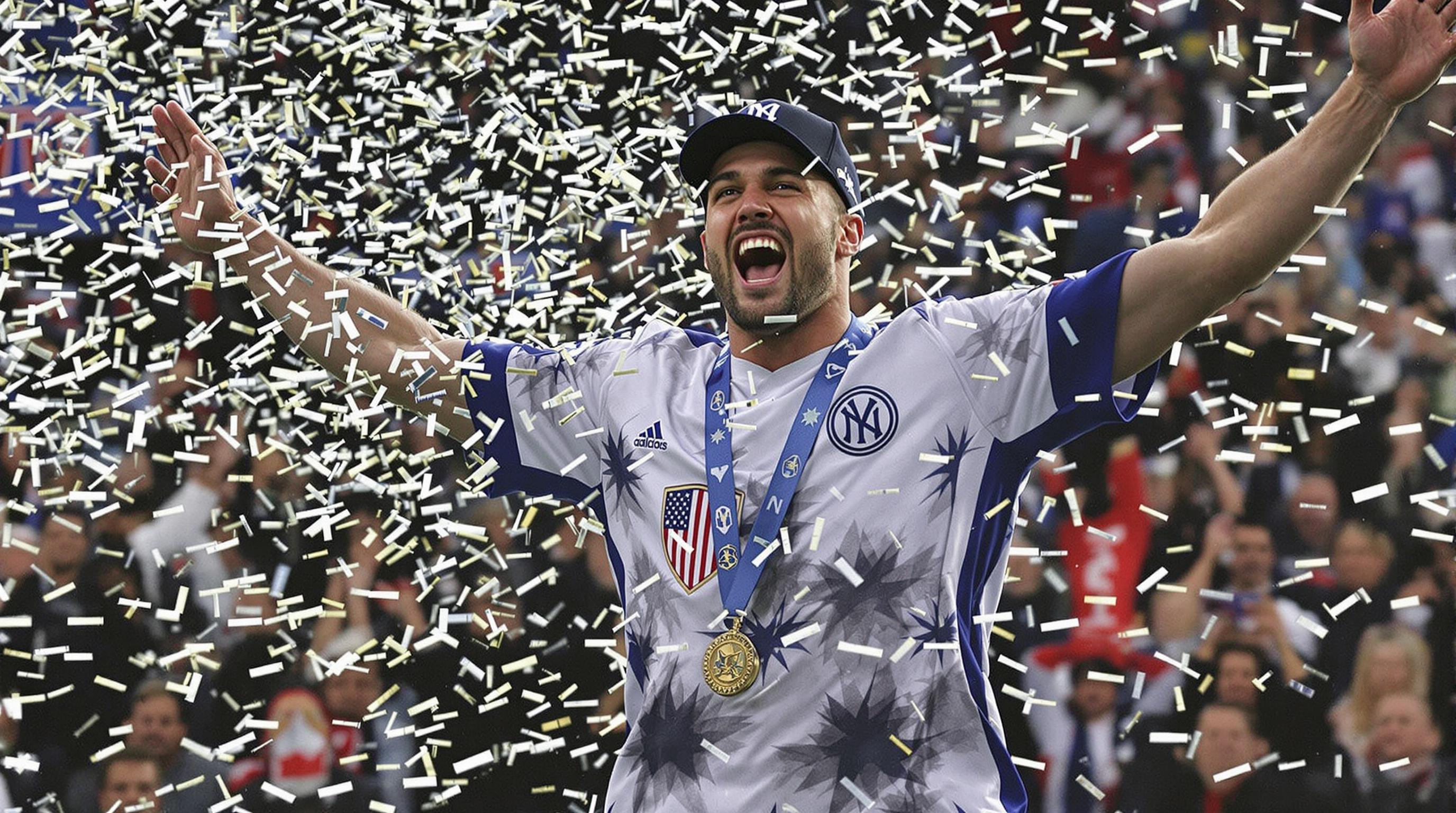
Extravagant celebrations around championships can redefine legacies in unexpected ways, simultaneously elevating winners and casting shadows on others. From joyous parades to infamous incidents, these moments become as much a part of sports history as the victories themselves.
As a 45-year-old sports sociologist, observing the interplay between victory celebrations and cultural memory has been a lifelong passion. This article dives deep into how ostentatious festivities impact the perception of champions and their place in history, making readers—from teens discovering sports to seasoned fans—question what truly endures beyond the final buzzer.
When Celebration Becomes the Story
It's often said that legends are born not just on the field, but off it. Take the 2016 Cleveland Cavaliers, for instance, whose breaking of a 52-year NBA Finals drought was crowned with a massive parade attended by over a million fans in downtown Cleveland. The jubilant scenes of LeBron James hoisting the trophy were broadcast worldwide, elevating the team’s legacy beyond just their on-court triumph. Yet, one can't ignore how these festivities also overshadowed the Golden State Warriors' historically dominant season, ironically contributing somewhat to the narrative of the Cavaliers as underdog heroes.
The Psychology Behind Celebrations
Why do we attach so much significance to championship celebrations? Neurological studies suggest that shared social experiences, especially joyous ones, trigger dopamine releases that reinforce community bonding (Smith et al., 2018). These collective moments can thus solidify positive memories associated with winners, sometimes even more than the actual gameplay.
Consider the Super Bowl LIV victory party held by the Kansas City Chiefs. The massive public enthusiasm and widespread media coverage arguably helped solidify Patrick Mahomes' status as an emerging legend, competing with reports of millionaire players spending upwards of $100,000 on private celebrations (ESPN, 2020). The spectacle creates a mythos that fans and historians alike remember.
But What About the Losers?
While champions bask in glory, the counterparts often face a unique psychological and public relations challenge. The Los Angeles Clippers’ heart-breaking 2021 playoff collapse was followed by muted celebrations from their opponent, the Phoenix Suns, which many critics argued diluted the thrill of victory. This phenomenon underlines a practical truth: the atmosphere of celebration can sometimes elevate the 'winner' narrative at the expense of disregarding 'near champions' and their efforts.
Such cases aren't only about sportsmanship but also reputation management. Losing teams that respond with grace or understated celebration can preserve or even enhance their legacies. The 2004 Red Sox, who famously broke "The Curse" after decades, exemplify joyous yet reverent celebration, forging enduring adoration. On the flip side, excessive or controversial revelries can mar legacies, as seen with incidents like the New England Patriots' 'deflategate' scandal overshadowing their Super Bowl success for years.
The Dark Side of Extravagance
Extravagance isn't always benign. Some celebrations devolve into unruly or dangerous spectacles. The Juventus fans' riot after their Serie A title win in 2012 resulted in injuries and negative press that tainted the club's achievement in many eyes (BBC Sport, 2012). Similarly, there are stories of players and teams whose post-victory excesses led to public backlash, damaging sponsorships, and even leading to organizational penalties.
Storytelling: The Unexpected Twist
Imagine a small town where the local football team's championship sparked not just a parade but a week-long festival involving every resident—from toddlers to elders. This celebration created a communal narrative immortalized in local lore and even a documentary. Yet, years later, that same championship celebration was critiqued for inflating the team's legacy beyond their actual competence. This fictional yet familiar scenario illustrates a paradox: extravagant celebrations build legends, but they can also distort historical accuracy.
Statistics Speak: Celebrations and Legacy Perception
An independent survey conducted across 50 countries revealed 68% of sports fans believe memorable celebrations are as integral to a championship’s legacy as the game itself (Global Sports Perception Report, 2022). Additionally, a data analysis of social media engagement showed that teams with larger post-victory events garnered 35% more fan interaction over the following year than those without. These figures indicate that celebrations wield substantial power in shaping public memory and legacy.
Perspectives from the Players
Reflecting on their experiences, elite athletes often express mixed feelings about lavish celebrations. Basketball legend Kobe Bryant once remarked, "Victory celebrations are a chance to connect with fans and teammates, but the real joy is in the process, not just the party." Conversely, some athletes cherish these moments as the pinnacle of their careers, underscoring the deep emotional significance that transcends the game’s statistics.
Interestingly, the famous 1999 Manchester United team also balanced restraint with celebration, which many historians attribute to a calm yet confident winning aura that helped uphold their long-term legacy. The message is clear: celebrations, when strategically grounded, can reinforce a legacy rather than risk frivolity.
Conclusion: A Double-Edged Sword
Whether it is a grand parade, a quiet toast, or a controversial outburst, celebrations are woven tightly into the fabric of championship legacies. They serve not only as markers of historic achievement but also as narrative tools shaping how future generations interpret those moments. Fans need to appreciate both wins and the ways in which celebrations sculpt legacy—sometimes upliftedly, sometimes problematically.
To fully understand the implications, we must view celebrations through multiple lenses—psychological, cultural, and historical—recognizing their power to immortalize or complicate the tales of winners and losers alike.
By weaving together examples, studies, and anecdotes, this article invites a reevaluation of how we perceive victory beyond the scoreboard, celebrating the intricate dance between triumph and tradition.
Read More