Related Articles
- Forgotten Legends: The Uncelebrated Athletes Behind Iconic Championship Moments
- Unconventional Rivalries: The Untold Stories That Forged Sporting Legends
- Unseen Rivalries: The Surprising Influence of Urban Legends on Local Sports Cultures
- Unearthing the Past: How Bizarre Equipment Choices Changed the Course of Legendary Matches
- Revisiting the Cultural Phenomenon: How Iconic Championships Influenced Fashion Trends on and off the Field
- Rediscovering the Forbidden: Banned Games and the Untold Stories of Their Prohibitive Rules
Beyond the Game: How Sports Rituals Reflect and Shape Cultural Identity in Modern Communities
Beyond the Game: How Sports Rituals Reflect and Shape Cultural Identity in Modern Communities
Sports rituals are much more than mere habits; they serve as dynamic expressions of cultural identities that connect individuals and communities across generations. In examining these rituals, we can unveil the profound impact they have on shaping and reflecting the cultural identities of modern communities.
Rituals as Cultural Reflections
In every corner of the globe, sports hold a mirror to society. Be it the chanting of fans during a soccer match in Brazil or the ceremonial drumming at a tribal basketball game in the United States, rituals in sports often reflect deeper cultural values and social structures. They can unite people, highlighting commonalities while celebrating unique identities.
Statistics Speak Volumes
According to a study by the Sports Marketing Research Group, 78% of sports fans believe that their attachment to a team is tied to their personal identity and community. This statistic underscores the significance of rituals; when people engage in these traditions, they are not just spectators but active participants in a collective experience that reinforces their cultural identity.
The Power of Pre-Game Rituals
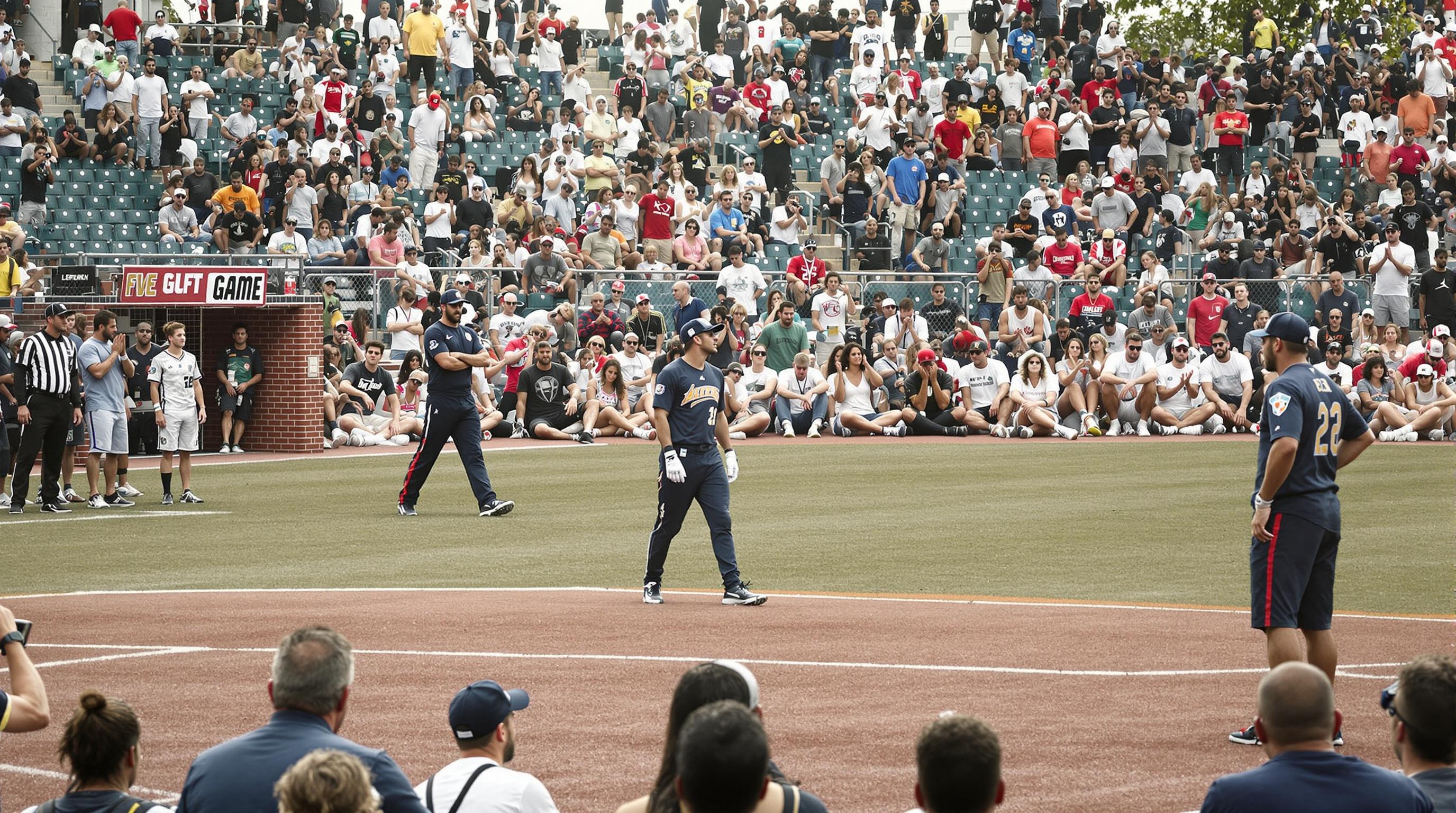
Consider the iconic “rally caps” fans wear during nail-biting baseball games. What might seem like a quirky superstition serves as a communal signal of hope and solidarity, especially in a state where summer nights are spent at the ballpark. These small rituals create a shared narrative, making each fan feel like a vital part of the broader story of their community.
Storytelling Through Sports
Take a stroll through the streets of Chicago during a playoff season, and you’ll find an atmosphere charged with excitement and anticipation. Local eateries serve up special game-day dishes, and neighborhoods turn into vibrant canvases splashed with team colors. Such traditions weave a rich tapestry of storytelling that connects generations—from grandparents recounting their youth spent rooting for the Cubs to teenagers sharing memes and videos on social media to celebrate their team's latest accomplishments.
Modern Examples of Cultural Identity
CrossFit, a fitness regime that’s taken root across the globe, has become a ritual for many. It fosters not just physical strength but a sense of community that transcends borders. According to a report by the American College of Sports Medicine, the group workout atmosphere cultivates a sense of belonging, reflecting varying cultural approaches to fitness and health. In essence, it blends athleticism with shared rituals that could only emerge in the distinct spaces of the communities they inhabit.
Changing Times, Changing Rituals
As we navigate an increasingly digital landscape, sports rituals have begun to evolve. Virtual watch parties and online gaming platforms have become new arenas for communities to gather, especially in times of social distancing. A study by the Pew Research Center indicates that over 60% of fans now engage in sports discussions or view games online with friends, illustrating how technology reshapes communal experiences.
Humorous Anecdotes: The Quirky Side of Fan Culture
Ever heard of a “lucky jersey?” Sports fans swear by these garments, convinced that wearing the same jersey every game day will lead to victory. Humorously, there are anecdotes of fans who wear the jersey for weeks, avoiding laundry at all costs. While this may sound silly, it’s illustrative of a broader psychological phenomenon where belief systems intertwine with cultural identity.
Case Study: Soccer and Community Identity in Europe
In countries like England and Germany, soccer is the lifeblood of community identity. Fans engage in rituals steeped in history—from the iconic “You'll Never Walk Alone” sung by Liverpool supporters to the elaborate choreography displayed by Bundesliga fans. These practices transcend mere sport; they foster a sense of continuity and belonging, encapsulating cultural narratives that bind communities together. The rituals instilled through decades create an emotional resonance that echoes through time, and attendance at games becomes a pilgrimage.
Cultural Identity Beyond Sport
Rituals in sports often herald broader societal issues. For instance, the national anthem sung before sporting events has become a site for discourse about identity politics and societal grievances. Groups such as the Black Lives Matter movement have used the platform of sports to address and challenge systemic injustices, demonstrating that rituals are not just about celebration but can serve as mechanisms for change.
Conclusion: Uniting Through Rituals
Ultimately, sports rituals act as both a canvas and a kaleidoscope—revealing the multifaceted cultural identities that define our modern communities. They invite participation, foster belonging, and encapsulate stories that bind us despite the diversity of our experiences. Whether it's through a dramatic game of football, a casual round of street basketball, or even a virtual watch party with friends across the globe, the rituals we embrace manifest the essence of who we are—woven together in the grand tapestry of cultural identity.
Looking Ahead
As younger generations dive into this evolving landscape, it’s important to reflect on the importance of these rituals. They are not mere pastimes; they are integral to understanding the fabric of our communities. Engaging in sports rituals can promote a sense of belonging that resonates across age groups, from teens sharing their first match with a parent to grandparents reminiscing about championships won long ago.
As we celebrate these rituals, let us remember: beyond the game, they are a reflection of who we are—our histories, aspirations, and identities intertwined on and off the field.