Related Articles
- Forgotten Legends: The Uncelebrated Athletes Behind Iconic Championship Moments
- Unconventional Rivalries: The Untold Stories That Forged Sporting Legends
- Unseen Rivalries: The Surprising Influence of Urban Legends on Local Sports Cultures
- Unearthing the Past: How Bizarre Equipment Choices Changed the Course of Legendary Matches
- Revisiting the Cultural Phenomenon: How Iconic Championships Influenced Fashion Trends on and off the Field
- Rediscovering the Forbidden: Banned Games and the Untold Stories of Their Prohibitive Rules
Evolving Ethics: How Societal Morals Reshape Game Regulations Across Cultures and Eras
Evolving Ethics: How Societal Morals Reshape Game Regulations Across Cultures and Eras
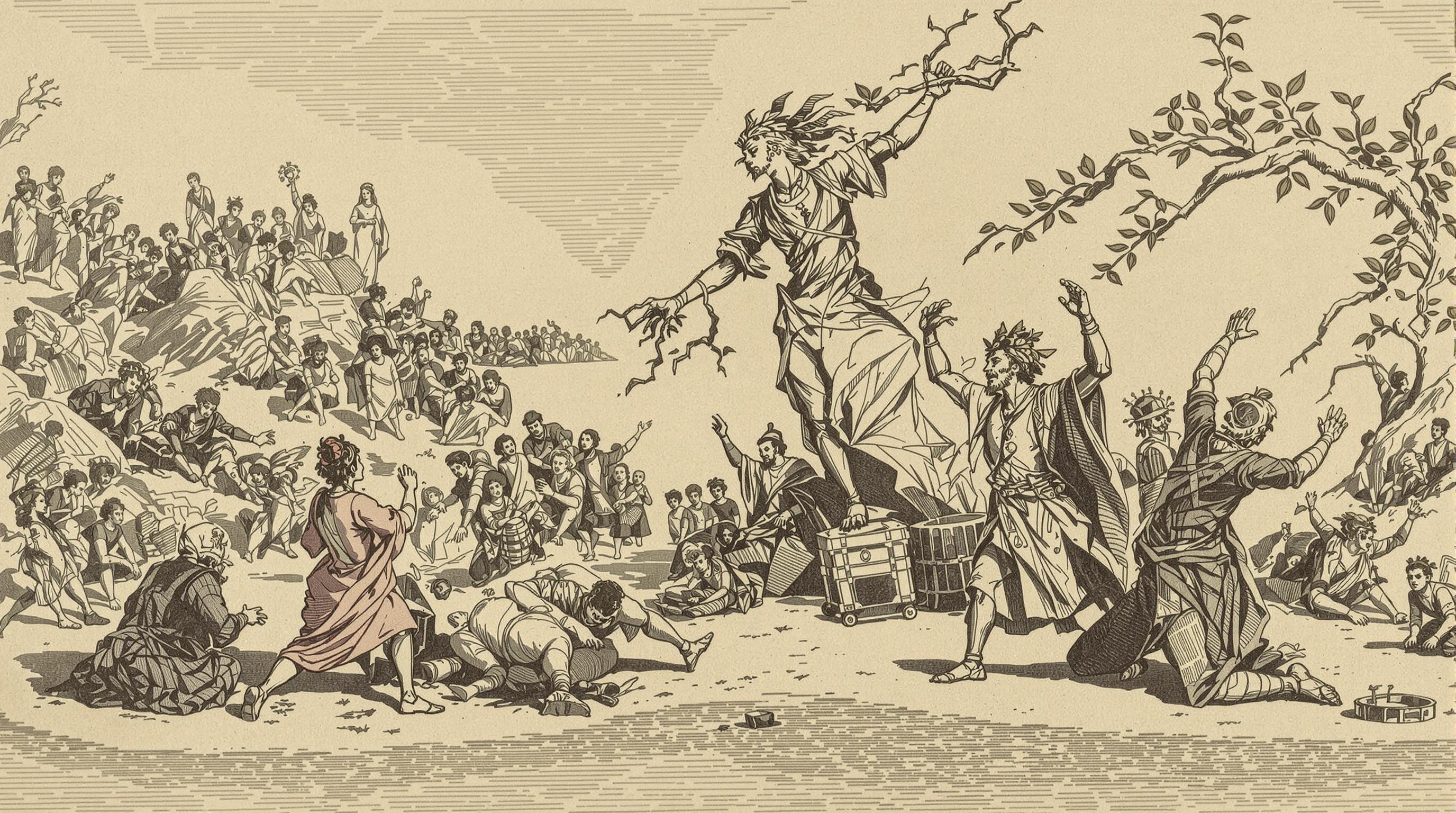
Over centuries and across continents, shifting societal morals have continually reshaped the rules and ethics governing games, reflecting broader cultural values and tensions. This article examines how evolving ethics influence game regulations through diverse perspectives, historical examples, and cultural contrasts.
The Playful Mirror of Society: Why Ethics Matter in Games
Games are more than just entertainment; they act as a microcosm of societal values, often highlighting what a culture deems acceptable or forbidden. When ethics transform—be it due to religion, technological innovation, or social movements—game regulations adapt to mirror these shifts. Consider, for example, how gambling laws vary dramatically between nations, from outright bans in some Islamic countries to legalized betting areas in Western Europe, reflecting different moral standpoints.
Case Study: The Evolution of Chess and Its Rules
The game of chess, which originated more than a millennium ago in India, demonstrates how cultural shifts influence gameplay and morals intertwined with it. Originally designed as a battle simulation reflecting feudal hierarchies, modern chess rules have evolved to emphasize fairness and intellectual skill over chance or deceit. Notably, the introduction of time controls in the 20th century addressed concerns about sportsmanship and competitiveness, reflecting a societal push for structured fairness.
“Hey, Did You Know?”: Fun Ethical Tidbit
Did you know that in the early Olympic Games, athletes competed in the nude? While this might sound bizarre today, it was considered a mark of purity and honesty, reflecting ancient Greek ethics. Over time, societal notions of decency led to modest changes in athlete attire — showing how shifting morals can directly alter sports regulations.
Formal Perspective: The Legal Dimensions of Game Ethics
From an academic standpoint, the regulation of games involves balancing individual freedoms with societal protections. According to a 2019 report by the International Gaming Institute, approximately 26% of governments worldwide have enacted stricter laws over the past decade in response to concerns about addiction, exploitation, and fairness. These changes are underpinned by evolving public ethics that increasingly prioritize player welfare, transparency, and responsible gaming practices.
Story Time: The Curious Case of Mahjong in Different Cultures
Let me take you back to my grandmother’s living room where Mahjong tiles clicked and clacked every Sunday. What’s fascinating is how this game, originating in China, adapted differently abroad. In Japan, Mahjong regulations and styles changed significantly post-WWII to emphasize skill over luck and reduce gambling associations, reflecting a societal desire to align the game with moral reform. Meanwhile, in the United States, Mahjong gained a social reputation as a genteel pastime, prompting rulebooks emphasizing inclusiveness and fairness.
Casual Chat: Why Do Rules Even Change?
Look, rules changing isn’t just about keeping the game fresh—it’s about reflecting what people think is “right.” If a community suddenly feels that cheating or certain behaviors aren’t cool, game rules quickly follow. A good example is the rise of anti-cheating software in online games. Players demanded fairness so loudly that developers responded with intricate detection systems. This is ethics in motion, folks!
Humorous Take: If Video Game Ethics Weren’t Updated
Imagine if classic games couldn’t change their rules: in Pac-Man, if ghosts broke every law of the maze, making it impossible to win, or Monopoly allowed players permanently stealing money without consequences. Sounds like chaos, right? While we chuckle at these absurdities, the truth is that adapting game rules isn’t just about fairness but making sure games stay enjoyable and socially acceptable as morals evolve.
Intercultural Ethics: Clash and Harmony
It is crucial to acknowledge that different cultures possess distinct ethical frameworks, which leads to varied gaming regulations. For example, South Korea’s “Shutdown Law,” mandating that minors cannot play online games between midnight and 6 a.m., reflects cultural concerns about youth welfare and societal discipline. Conversely, in countries where individual freedom is cherished, such restrictions may be deemed too intrusive. This cultural tug-of-war shows how ethics and culture jointly shape regulatory landscapes.
Statistical Snapshot
To put numbers to this, a 2022 Pew Research study found that 58% of surveyed adults felt gaming regulations should more closely align with evolving social values, highlighting a global call for ethical adaptability. The same study noted younger generations push harder for regulations addressing inclusivity and mental health impacts.
Persuasive Address: The Call for Ethical Reflexivity in Modern Game Design
In an era where games influence billions, from children to the elderly, we must urge developers and regulators alike to embrace ethical reflexivity. This means consistently reassessing whose values we embed in game rules and ensuring those values promote inclusivity, fairness, and psychological well-being. Ignoring shifts in societal morals risks alienating players and perpetuating harm, while proactive adaptation champions a gaming culture mindful of its broader social impact.
Historical Angle: The Blackball Rule in Early Baseball
Consider the infamous “blackball” practice in early 20th-century baseball, where players deemed undesirable were unofficially excluded. Although not codified in formal rules, this illustrates how implicit ethics—prejudices of the time—shaped play and participation. Over decades, as civil rights advanced, baseball regulations explicitly outlawed such discrimination, demonstrating how ethics evolve to promote justice and equality within sport.
Closing Reflection
Games offer us a canvas that reflects the evolving tapestry of human ethics. Whether adjusting for fairness, decorum, or cultural sensitivities, the trajectory of game regulation reminds us that morality is neither static nor universal but constantly negotiated. By embracing this fluidity, games can remain not just sources of fun, but also mirrors and agents of societal growth.
About the Author: Written by Marcus, a 47-year-old cultural historian and lifelong gamer, who enjoys exploring the crossroads between society, ethics, and play. This article is tailored for readers aged 16 to 70, sparking curiosity about how the rules that govern fun are deeply intertwined with who we are.