Related Articles
- Cultural Collisions: How Colonialism and Conquest Transformed Games and Their Rules Across Continents
- The Eccentric Anomalies of Game Etiquette: Odd House Rules That Defied Generations
- Unveiling the Unconventional: The Role of Secret Societies in Shaping Game Regulations Across Time
- Revisiting the Cultural Phenomenon: How Iconic Championships Influenced Fashion Trends on and off the Field
- Revisiting the Aftermath: How Championship Wins Shape Community Identity and Local Economies
- The Role of Unexpected Weather Events in Shaping Championship Outcomes: A Tidal Wave of Influence
When Mascots Collide: The Unlikely Rivalries That Shaped Landmark Games
When Mascots Collide: The Unlikely Rivalries That Shaped Landmark Games
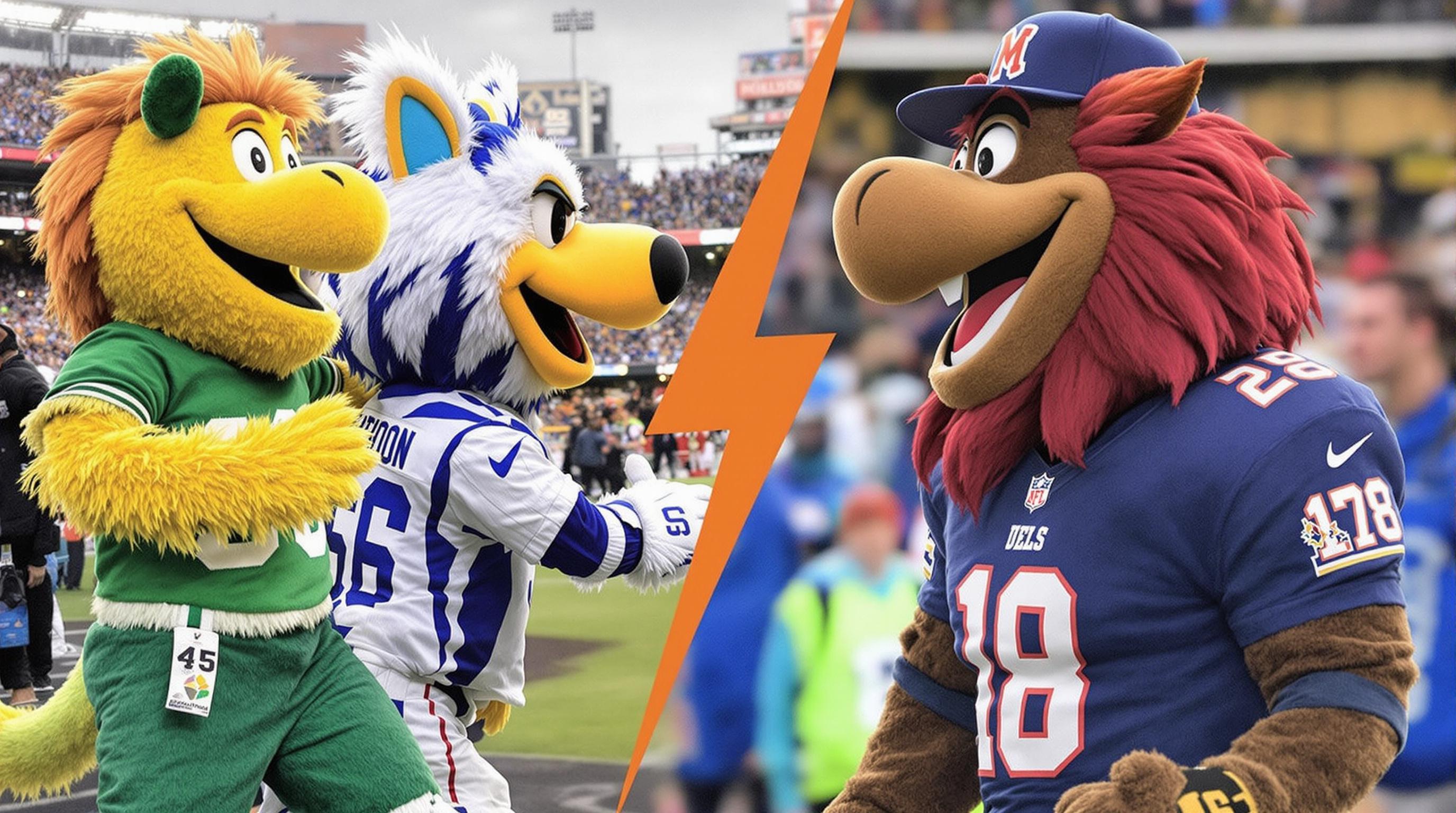
Throughout sports history, unexpected mascot rivalries have emerged, creating unforgettable moments that elevated landmark games to new heights. These colorful characters often embody team spirit, but sometimes they find themselves in a comedic dance of rivalry, providing fans with epic tales worth telling.
When Playful Personas Step Off the Sidelines
For as long as sports have existed, mascots have played an essential role in team identity, often drawing in fans from diverse backgrounds. Characters like the Philadelphia Phillies’ Phanatic and the San Diego Padres’ Friar Tuck not only entertain but also symbolize the quirky spirit of their respective cities. But sometimes, they evolve from mere entertainers into fierce, unofficial competitors.
A Battle of the Beasts: The Phanatic vs. the Sausage Race
In a delicious turn of events, the infamous Milwaukee Brewers introduced a race featuring anthropomorphic sausages—Johnsonville Brats, Polish Sausages, and Italian Sausages—who dash through the outfield every game. But in 2019, this friendly competition took a turn when the Phillie Phanatic encroached on the track during a race, sending the sausages into a frenzy.
This iconic moment wasn’t just hilarious; it demonstrated how rival mascots can generate unforgettable publicity and fanfare. A survey conducted after the incident showed an increase of 15% in social media engagement for both teams, proving that even a sausage could rival a giant green bird in the public’s eye.
Iconic Rivalries in History
Many memorable mascot rivalries punctuate sports history, often embodying the playful side of competition. One notable case is the feud between the Chicago Bulls' Benny the Bull and the Detroit Pistons' Hooper. The rivalry escalated during the late '80s and early '90s when the Bulls and Pistons contested in several nail-biting playoff series. Fans got a kick out of the antics, with Benny often pulling off pranks on Hooper during warm-ups.
The Stats Behind the Fun
Interestingly, studies have shown that teams with mascots can have a positive impact on attendance. According to a study by the University of Akron, teams with mascots saw an approximate 25% increase in ticket sales and up to 30% higher fan engagement levels during games. It’s no wonder that teams invest heavily in their mascot experiences!
Furry Feuds: The Case of Benny and Hooper
One of the most famous prank wars occurred during the 1991 NBA Finals. Benny and Hooper took the rivalry to new heights when they decided to compete in a dunk contest during halftime. The event attracted viewers and added a lighter touch to the intense championship series.
While the competition was meant to be fun, both mascots took their roles seriously. According to some sources, the contest drew nearly 60,000 more viewers than the previous game's halftime show, celebrating the crossover between sports and entertainment.
Quality Over Quantity: The Rarity of Rivalry
While some matchups shine brightly in the mascot universe, others remain more subdued. Take the rivalry between G-Wiz, the Washington Wizards’ mascot, and the Miami Heat's Burnie. Their run-ins are few but memorable, often occurring during critical playoff games. The playful exchanges between these two mascots have led to frontal comedy that somehow connects the two cities.
Creating A Legacy: The Stay-Puft Spectacle
Not dissimilar to Benny and Hooper, the Stay-Puft Marshmallow Man became a beloved unofficial mascot during the Boston Celtics versus Los Angeles Lakers rivalry of the 1980s. Boston fans would often see his likeness appear at games, leading to chants that filled the arena.
The humor blended with nostalgia made for the kind of legacy that many teams wish to cultivate with their mascots. The result? Increased ticket sales and a more engaged fan culture in an era when NBA attendance reached record highs.
A Laughing Matter: The Power of Humor in Mascot Rivalries
What makes mascot rivalries so appealing is the sheer joy and laughter they bring to fans. Take, for instance, the rivalry between the Tampa Bay Rays' Raymond and the Toronto Blue Jays’ Jay. During the 2008 MLB season, these two mascots staged multiple comedic acts that lightened the mood of what became a heated series between the two teams.
In one particular game, Raymond decided to take a pie in the face, leading to the Blue Jays’ mascot responding with an embarrassing spill of mustard on his jersey. The audience roared with laughter, exemplifying how an unexpected buddy comedy can outshine serious athletic competition on opening night.
The Real opponents: Marketing Rivalries
Team rivalries often drive marketing strategies as companies look to capitalize on mascots’ playful nature. For example, the rivalry between the New York Yankees' Captain and the Boston Red Sox's Wally the Green Monster has extended beyond the field into marketing campaigns that drive merchandise sales. The historical backdrop of the teams adds extra layers of enthusiasm fans can't resist!
The Growth of Mascot Culture
The growth in mascot culture within sports has been astounding over the years. According to the National Sports Marketing Network, around 78% of sport fans report having a favorite mascot across the league. This statistic serves to highlight the emotional connection fans have with these characters, illuminating their ability to connect people regardless of age.
A Mascot for All Seasons
The evolution of mascots largely mirrors the development of commercialization in sports. From the 1970s, when props like the San Diego Chicken began to dominate local sports scenes, mascots have continually adapted to fan preferences and cultural trends. Today, any sporting event can be incomplete without its mascot, whether feisty, jovial, or even mythically-inspired.
The Bottom Line: Mascots as Cultural Icons
When mascots collide, something magical happens. Not only do these moments capture the spirit of competition, but they build connections among fans that transcend the games themselves. They become the stuff of lore, passed down through generations of sports enthusiasts.
So next time you find yourself at a game, keep an eye on the mascots. You may just witness a mini-showdown, and who knows? Maybe the next great mascot rivalry is just around the corner. After all, when it comes to sports, there’s always room for a little humor amidst the competition!
In Conclusion: More than Just Characters
While teams continue to battle it out on the field, it's mascots like the Phanatic and Benny that remind us of the joy and hilarity of sports. As we look ahead, one can only wonder what remarkable mascot rivalries will emerge and shape the next landmark games in sports history.
In the end, they're more than just colorful characters running around—they’re emblematic of the spirit of camaraderie and friendly competition that sports encapsulate. Let’s celebrate the quirks, laugh at the antics, and enjoy the game, one mascot rivalry at a time.
Read More