Related Articles
- Cultural Collisions: How Colonialism and Conquest Transformed Games and Their Rules Across Continents
- The Eccentric Anomalies of Game Etiquette: Odd House Rules That Defied Generations
- Unveiling the Unconventional: The Role of Secret Societies in Shaping Game Regulations Across Time
- Revisiting the Cultural Phenomenon: How Iconic Championships Influenced Fashion Trends on and off the Field
- Revisiting the Aftermath: How Championship Wins Shape Community Identity and Local Economies
- The Role of Unexpected Weather Events in Shaping Championship Outcomes: A Tidal Wave of Influence
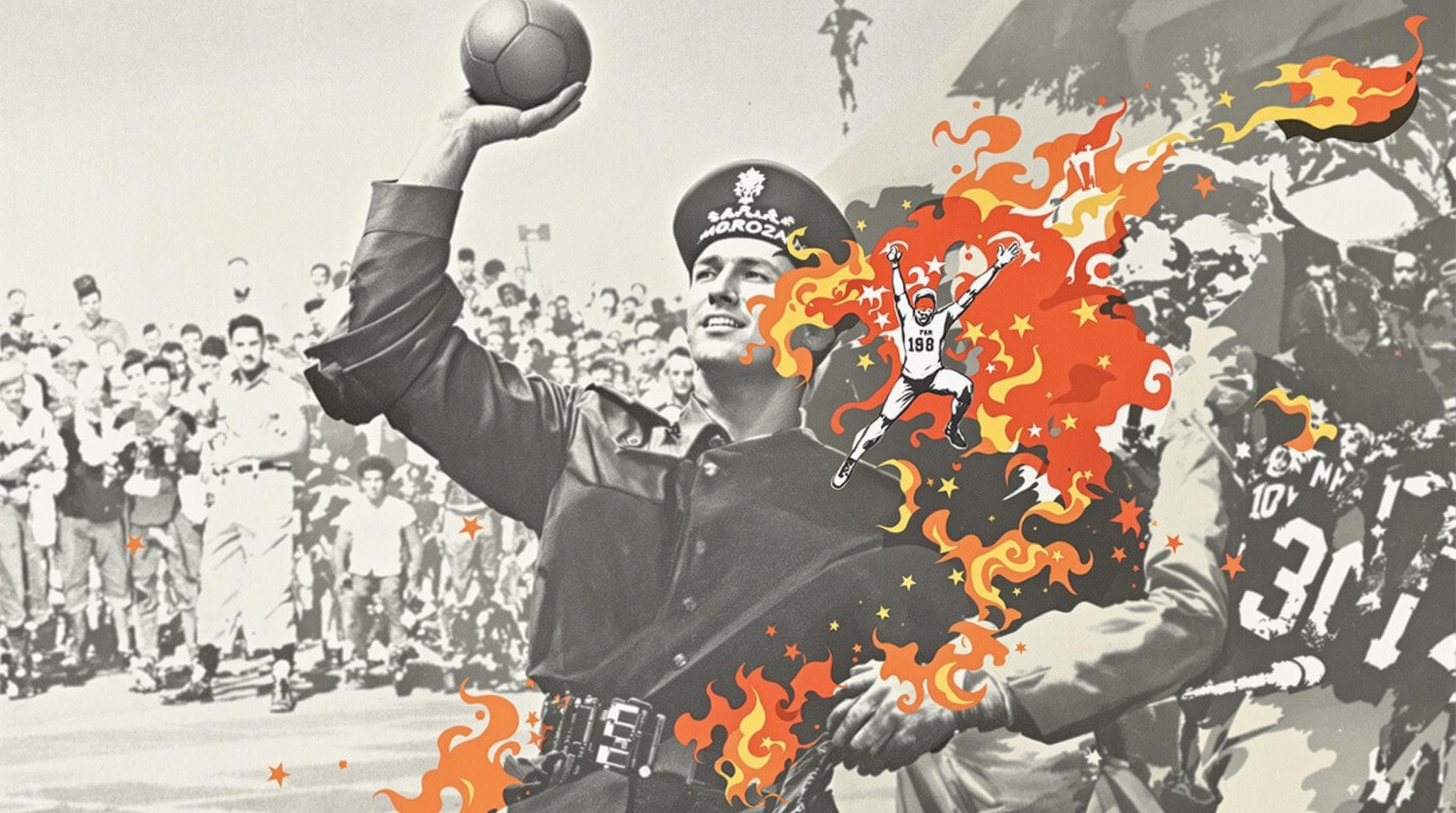
The Role of Propaganda: How War Influenced Major Sports Tournaments in the 20th Century
The Role of Propaganda: How War Influenced Major Sports Tournaments in the 20th Century
The interplay between war and sports tournaments in the 20th century showcases how nations have historically used propaganda to rally their citizens and enhance national pride. Through various major sporting events, the influence of conflict has shaped narratives, altered perceptions, and even defined eras in sports history.
The Seeds of Sentiment: Early 20th Century Tournaments
Let’s kick off with the 1916 Summer Olympics, which were supposed to be held in Berlin. However, the outbreak of World War I put them on ice, much like that last-minute shot in basketball that misses the hoop—painful indeed! The cancellation set a precedent; war was about to change everything, including how countries viewed their athletes as symbols of national pride.
Propaganda in the Arena: The Influence of WWII
During World War II, the propaganda machine cranked up significantly, and sports became an essential tool for morale. The 1948 London Olympics, the first to be held after the war, were particularly compelling as Britain attempted to showcase resilience. Amidst the rubble of war, the games were marketed as a "Festival of Peace," with participants from 59 nations, highlighting unity despite global turmoil.
In a clear effort to boost national pride, many countries used their athletes as propaganda symbols. For example, Jesse Owens's exceptional performance during the 1936 Berlin Olympics discredited Nazi propaganda about Aryan supremacy, serving as a significant blow to the regime’s ideology. This moment wasn’t just a triumph for Owens but a vivid illustration of sports as a stage for world politics.
Turning Points on the Field: The 1960s and the Cold War
The 1960s ushered in a new era: the Cold War. During this period, sports competitions like the Olympics morphed into arenas for ideological warfare. The famous match between the US and Soviet Union in basketball at the 1972 Munich Olympics is often considered a microcosm of this conflict. The USSR narrowly defeated the US in a game marred by controversy—a metaphor for the struggles defining this turbulent era.
The Olympic Games: A Diplomatic Stage
Who would have thought the Olympics could be such a powerful political tool? The US boycotted the 1980 Moscow Olympics in response to the Soviet invasion of Afghanistan, demonstrating how sports could be used to make a statement on the world's biggest stages. Conversely, when the Soviets boycotted the 1984 Los Angeles Olympics, it appeared that the global sporting stage was becoming a rallying point for national individuality rather than unity.
Lighter Moments Amidst Tension
Even during the most heated times, a dash of humor persisted. In 1987, a faux-documentary produced in the UK humorously suggested that curling originated as a sport inspired by the need for angry Scotsmen to hurl stones at each other—any excuse to get the competitive juices flowing, right? While it was just a satire, it highlighted how sports could bring people together even when tensions ran high.
Modern Tournaments and Propaganda: A Case Study on the 2008 Olympics
Fast-forward to 2008, when China hosted the Summer Olympics. The event was a spectacle of national pride for the Chinese government, with an opening ceremony designed to showcase technological prowess and cultural heritage. However, it also served to divert global attention from ongoing issues like human rights violations, with state-sponsored athletes acting as living embodiments of national success.
Statistics revealed that the Chinese government invested an estimated $40 billion on the 2008 Olympics, a figure that raised eyebrows worldwide. But it more than just dollars and cents; it was about presenting an ideal vision of China—one of strength and unity—despite multiple undercurrents of civil unrest and dissatisfaction among its citizens.
The Emotional Football Final: Propaganda at its Best
In another example, let's not forget the riveting 1966 FIFA World Cup final. As England triumphed over West Germany in a nail-biting match, that dramatic victory took place against the backdrop of a nation still recovering from the ravages of war. For many Brits, the match was not just about football; it was a critical moment of national rebirth and pride after years of darkness.
A Contemporary Lens: Social Media and Modern Warfare
Hello, Instagram and Twitter! Today, sports propaganda has taken a new twist. Social media has redefined the landscape of propaganda in sports, effectively blurring the lines between national pride and corporate marketing. Athletes are now often seen flaunting their national identities while endorsing multinational corporations, and it's a fascinating mix!
For instance, in 2021, as the Tokyo Olympics faced skepticism due to the COVID-19 pandemic, athletes utilized social platforms to connect with fans and promote resilience. The stories shared ranged from personal struggles to triumph, blending national pride with individual narratives—propaganda in a new form but with age-old roots.
More Than Just Games: From Marcial to Malinche
A persistent theme throughout sports history is its ability to act as a unifier. Consider the story of Filipino boxer, Pancho Villa, who, during the 1920s, maneuvered his way through the ranks, becoming an icon in his country. Villa's incredible boxing talent and grueling matches were more than entertainment; they represented a struggling nation’s fight to emerge from colonial pasts. His matches were broadcasted nationwide, turning boxing bouts into civic pride events and, ultimately, elevated onto a national stage.
Feedback Loop: How Propaganda Affects Perception
Statistically speaking, a 2015 Pew Research Center survey revealed that about 70% of Americans felt that sports brought them together, reflecting a powerful communal sentiment. This sense of belonging is what governments harnessed throughout the 20th century to bolster their narratives. Each tournament or match became a reflection of social ideologies and political agendas. In many ways, it became a feedback loop, where the gains in sporting prowess directly influenced public perception of governments.
Conclusion: The Legacy of Sports Propaganda
In the grand arena of history, the role of propaganda in major sports tournaments from the 20th century tells us a profound story about societies and their evolving narratives. Today, as we enjoy these exceptional displays of human talent, we can’t help but recognize the underlying threads of national identity and propaganda woven intricately into the fabric of sports.
As spectators cheer, sing, and cry for their teams, they are, at times unknowingly, participating in an age-old tradition of national pride, survival, and political strategies. Perhaps next time you watch a game, think not just of the athletes on screen but of the rich tapestry of history they represent—a blend of determination and resilience against the backdrop of wars and ideologies.
Read More