Related Articles
- Cultural Collisions: How Colonialism and Conquest Transformed Games and Their Rules Across Continents
- The Eccentric Anomalies of Game Etiquette: Odd House Rules That Defied Generations
- Unveiling the Unconventional: The Role of Secret Societies in Shaping Game Regulations Across Time
- Revisiting the Cultural Phenomenon: How Iconic Championships Influenced Fashion Trends on and off the Field
- Revisiting the Aftermath: How Championship Wins Shape Community Identity and Local Economies
- The Role of Unexpected Weather Events in Shaping Championship Outcomes: A Tidal Wave of Influence
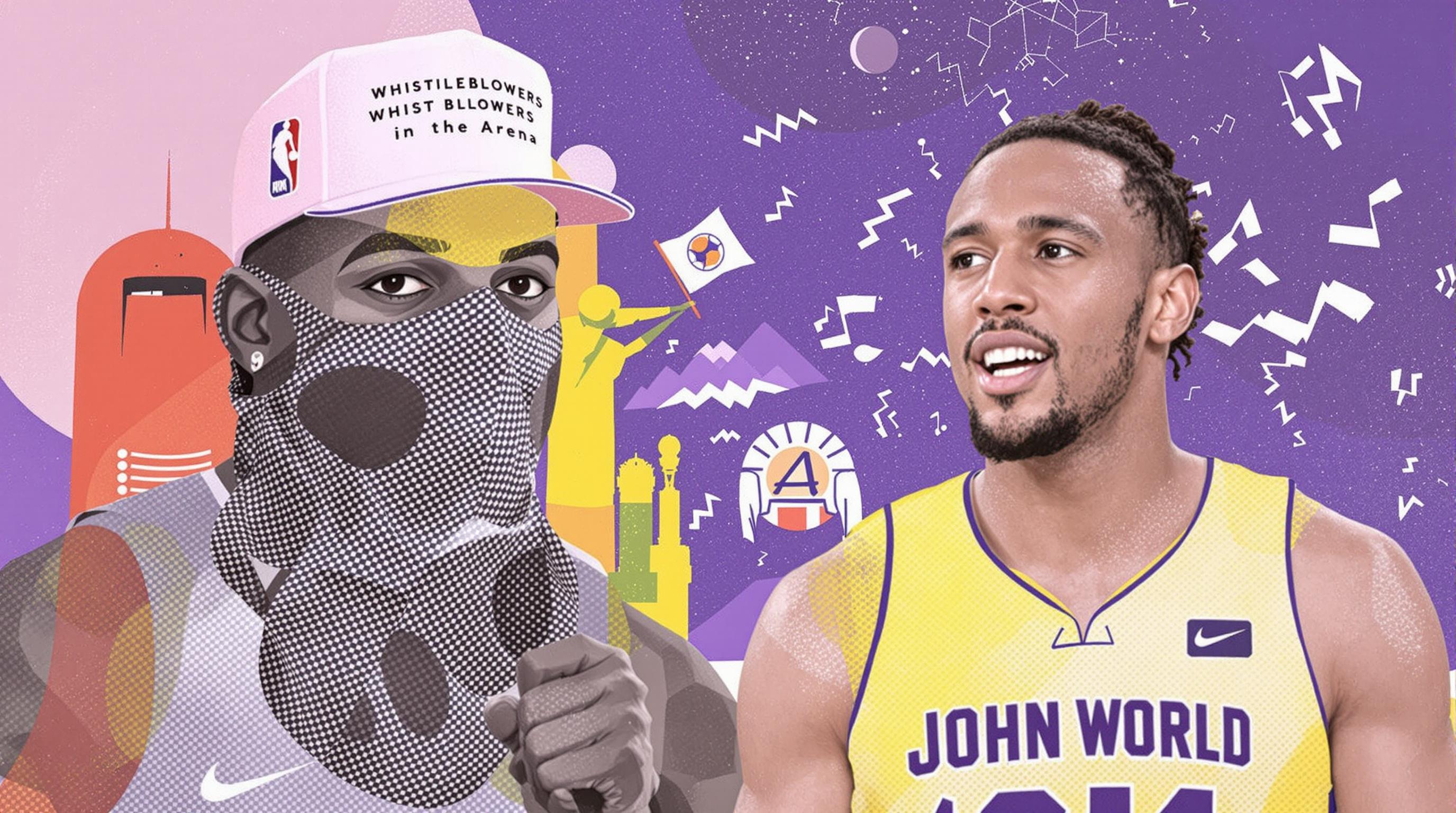
Whistleblowers in the Arena: What Athletes' Activism Reveals About Social Justice Movements Today
Whistleblowers in the Arena: What Athletes' Activism Reveals About Social Justice Movements Today
In recent years, athletes have emerged as powerful advocates for social justice, often risking their careers to challenge systemic issues. By examining the lives and actions of whistleblower athletes, we uncover the complex interplay between sports and activism, revealing how these movements impact societal change today.
The Evolving Role of Athletes in Social Justice
Historically, athletes were often viewed as mere entertainers, their voices consigned to the sidelines. However, the modern sports landscape has changed dramatically. As social justice movements like Black Lives Matter and #MeToo gain momentum, so too do the platforms and voices of athletes. Today’s athletes, from Colin Kaepernick to Naomi Osaka, are redefining their roles and using their influence to speak out against injustices.
Statistics that Speak Volumes
According to a 2021 study by the Sports and Society Institute, approximately 65% of professional athletes believe that it's important to use their platform for social activism. Moreover, an ESPN poll found that 72% of sports fans believe athletes can impact social change. These numbers indicate a substantial shift in public perception—athletes are increasingly seen as credible voices on issues beyond the playing field.
The Price of Activism
For many athletes, taking a stand comes at a cost. Colin Kaepernick's decision to kneel during the national anthem in 2016 sparked a national debate and ultimately led to his exclusion from the NFL. Despite the potential pitfalls, what drives these athletes to risk their careers? The answer often lies in their personal experiences with injustice. Kaepernick himself stated, "I am not going to stand up to show pride in a flag for a country that oppresses black people and people of color."
Similarly, NBA star LeBron James has used his platform to advocate for voting rights and criminal justice reform. His "I Can’t Breathe" shirts during warmups directly referenced police brutality against African Americans, demonstrating how athletes can contextualize personal narratives into broader societal issues.
The Power of Storytelling
Storytelling is an essential component of social justice activism. When athletes share their experiences or those of their communities, they humanize the issues at hand. For instance, tennis champion Serena Williams has often opened up about the challenges she faced as a Black woman in sports, which has encouraged dialogue about race, gender, and equality on and off the court.
Social Media: The New Arena
With the rise of social media, athletes are now equipped with powerful tools to amplify their messages. Platforms like Twitter and Instagram allow them to reach far beyond their immediate audiences. For example, after the tragic death of George Floyd, numerous athletes used their platforms to advocate for justice and call for reform, creating a viral wave of support for the Black Lives Matter movement. A staggering 6.9 million posts were made on Instagram using the #BlackLivesMatter hashtag as athletes joined the broader community in solidarity.
However, the double-edged sword of social media also exposes athletes to intense scrutiny and backlash. As they step into the role of advocates, they face online harassment and condemnation, which can have severe psychological effects. Nevertheless, many choose to persist, seeing their activism as a vital extension of their identity.
Crossover: Sports and Entertainment
Interestingly, athletes aren’t alone in this movement; celebrities from various entertainment sectors have also leveraged their influence for social justice causes. For instance, actors and musicians often collaborate with athletes to highlight crucial issues. This crossover not only validates the athletes’ messages but also amplifies their reach, magnifying the impact of their advocacy.
Case Study: The NBA's Response to Social Justice
The NBA has taken substantial steps to support its players' activism. During the 2020 playoffs, teams used their platforms to raise awareness and even transformed their courts into canvases for social justice messages, such as “Black Lives Matter” and “Say Her Name.” This commitment to social advocacy is reflective of a broader trend across professional sports leagues, where players are encouraged to express their beliefs and encourage dialogue about pressing social issues.
The Youth Movement: Changing the Narrative
Young athletes are also emerging as potent voices in activism. With increased awareness and education about social justice issues, a new generation of athletes is prepared to confront injustices head-on. Activists like 16-year-old soccer player Zaila Avant-garde, who went viral for her spelling bee championship and advocacy for educational equity, represent a wave of youth engagement. This generation is not just passively absorbing information; they're actively participating in the discourse, rallying peers and making their voices heard.
Bridging Gaps: Finding Common Ground
While the call for social justice has found widespread support, it has also unearthed divisions among fans. Some audience members argue athletes should "stick to sports," believing that political activism should be separate from athletics. However, the line between sports and activism blurs as athletes draw attention to systemic issues that influence the world in which they live and compete. As sports are a microcosm of society, engaging with social issues becomes not just acceptable but necessary.
A Humorous Take: The Shoelace Dilemma
In a lighter vein, one can't help but chuckle at the irony of athletes being criticized for their activism while donning layers of branded merchandise. After all, what's more political than a pair of shoes endorsed by a mega-corporation? Next time someone argues about an athlete’s “insignificant” cause, remind them that both sneakers and social justice come with strings attached—let’s just hope they’re not tied in a knot!
Triumphs and Trials: The Ongoing Journey
Despite the challenges, the triumphs of athlete activism are notable. The work done by these trailblazers in sports has sparked new conversations around identity, inequality, and human rights. High-profile events such as the Women’s World Cup and basketball tournaments featuring social justice statements reflect a broader cultural reckoning. Furthermore, many athletes are now sponsored by brands aligned with their ideological values, indicating a significant shift in corporate responsibility.
The Crossover into Policy
Athlete activism has not only made headlines but has also influenced policy discussions. In 2020, several NFL players collaborated with lawmakers, advocating for changes in legislation to address police reform. These direct interactions between athletes and policymakers demonstrate the increasing significance of athletic voices in shaping legislation and influencing governance.
Conclusion: The Future of Athlete Activism
As we look ahead, it’s clear that athlete activism will continue to evolve and play a critical role in social justice movements. With new challenges emerging, today's climate demands that athletes remain vigilant and brave. Their voices resonate beyond the arena, inspiring change and advocacy on a global scale. Whether through the digital realm or in grassroots promotion, the narrative of athlete activism is far from over. As the saying goes, "With great power comes great responsibility"—and today's athletes are stepping up to the challenge, armed with courage, creativity, and an unyielding commitment to justice.
Read More