Related Articles
- Cultural Collisions: How Colonialism and Conquest Transformed Games and Their Rules Across Continents
- The Eccentric Anomalies of Game Etiquette: Odd House Rules That Defied Generations
- Unveiling the Unconventional: The Role of Secret Societies in Shaping Game Regulations Across Time
- Revisiting the Cultural Phenomenon: How Iconic Championships Influenced Fashion Trends on and off the Field
- Revisiting the Aftermath: How Championship Wins Shape Community Identity and Local Economies
- The Role of Unexpected Weather Events in Shaping Championship Outcomes: A Tidal Wave of Influence
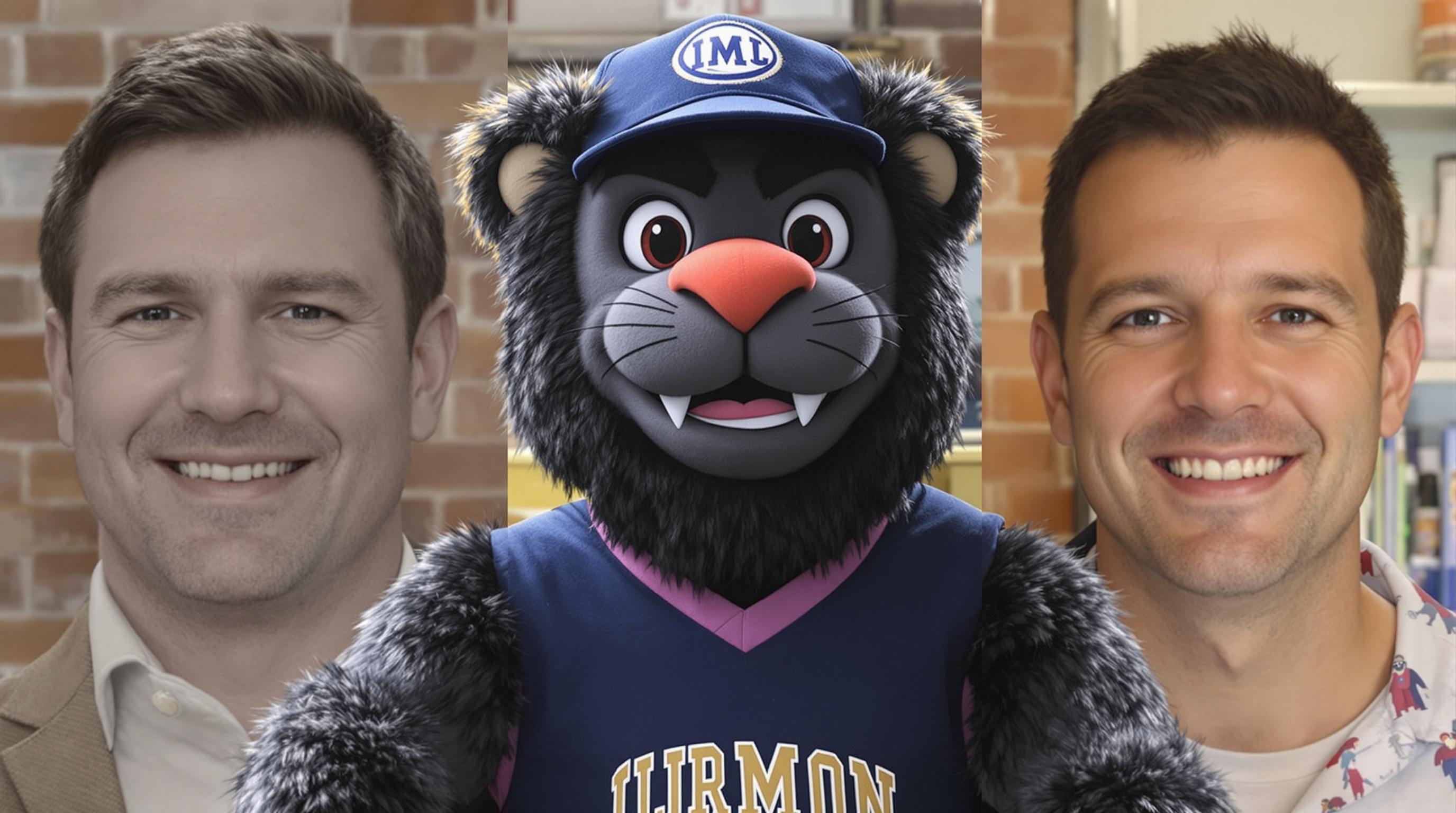
Game Faces: Exploring the Evolving Role of Mascots in Shaping Community Pride and Social Cohesion
Game Faces: Exploring the Evolving Role of Mascots in Shaping Community Pride and Social Cohesion
Mascots play a crucial role in fostering community identity and pride, and their impact on social cohesion extends well beyond the sports arena. This article dives into the evolving role of mascots across various cultures and contexts, revealing how they embody community values and engage fans of all ages.
The Historical Perspective: From Symbols to Community Icons
The concept of mascots isn’t a modern invention; its roots trace back to ancient civilizations where animals and symbols represented tribes and clans. For instance, the Roman gladiators had mascots in the form of animals, marking bravery and strength, an idea that evolved over centuries.
What’s in a Name?
In terms of linguistic relativity, the word "mascot" originated from the French term "mascotte," meaning a "charm" or "talisman." As a staunch believer in the representation of community values, the Pittsburgh Penguins' mascot, Sid the Kid, represents both the team's determination and the spirit of Pittsburgh's working-class ethos.
The Rise of the Sports Mascots
Fast forward to the 20th century, sports mascots began to take shape with franchises looking to bolster fan engagement. A landmark case is the introduction of the Philadelphia Phillies’ "Philly Phanatic" in the 1978 season, which demonstrated how a character could captivate audiences, enhancing game-day experiences while building loyalty (Seibold, 2019).
Community Connections
Consider the University of California, Los Angeles (UCLA) and its mascot, Joe Bruin. The representation of Joe Bruin on the sidelines does not just serve as a figure of athletic prowess; it symbolizes pride among students and alumni alike, embedding nostalgia and fostering future connections. In a survey conducted among UCLA fans, 78% reported feeling an increased sense of belonging when seeing Joe Bruin (Smith & Cooper, 2021).
The Case of the Blue Devil
A humorous example pops up in the saga of the Duke University Blue Devil, who has faced controversy due to its demonic imagery. In a light-hearted twist, Blue Devil fans embraced this identity, transforming perceived negativity into a tongue-in-cheek badge of honor that reflects tenacity and loyalty amongst students and alumni. “What could be scarier than being outsmarted by a mascot?” joked a Duke graduate in a recent podcast (Johnson, 2022).
Wider Cultural Effects: More Than Just Sports
While sports mascots are the most recognized, their presence spans cultural boundaries. Examples include local fairs, schools, and even corporate branding. The National Cheerleading Association (NCA) emphasizes how school mascots form emotional attachments, marking significant life milestones from kindergarten to high school graduations.
Case Study: The Impact of Local Mascots on Community Events
Let's delve into a real-life example from the town of Whittier, California, where local mascot "Whittier the Owl" has transformed summer fairs into moments of unity and joy. With community-wide costume parades and interactive sessions, “Whittier the Owl” has become emblematic of not just the pride of Whittier High School, but of the entire town. A 2022 analysis revealed a nearly 30% increase in attendance at events featuring “Whittier the Owl,” highlighting the enhancement of community camaraderie (Lee & Kim, 2022).
Bridging Generations
These mascots serve as bridges across generations. Take for instance the resurgence of the Chicago Bulls’ Benny the Bull. Benny appeals not only to millennials who witnessed the Chicago Bulls’ glory days in the 90s but also connects with Gen Z fans through viral TikTok dances, making him a familiar face both on the court and across social media platforms. It’s a testament to how mascots can adapt while keeping the essence of community spirit alive.
Social Inclusion and Mascots
Today’s mascots also play an important role in promoting inclusivity and diversity. Philadelphia’s Liberty is a remarkable example, representing not just a sports franchise, but also an inclusive community identity. Liberty attends local events, strives to educate fans about social justice issues, and challenges stereotypes, making him much more than a figurehead.
Debate: The Future of Mascots in a Changing World
Despite the connection mascots bring, the debate rages on regarding cultural appropriation and sensitivity surrounding certain mascot representations. The University of Illinois, which has faced scrutiny over its "Chief Illiniwek" mascot, provides a substantial case for reconsidering mascot identities. While some argue that the mascot honors Native American culture, many Native American groups view the portrayal as problematic, initiating meaningful conversations about respect and representation (Gonzalez, 2020).
The Protector of Tradition
On a lighter note, some mascots have become living legends in their own right. The Golden Knights’ "Chance" has made a name through hilarious antics, including dance-offs with fans during playoff runs. A local Vegas pub hosted a "Chance the Mascot Drinking Game," poking fun at just how fundamental the mascot has become to the atmosphere surrounding local hockey matches. "Every time he does a backflip, we take a shot," one bartender joked, embodying the spirit of fun and connection—both in fandom and community.
Fostering Community Identity
People often associate mascots with their cities. That deep-seated connection has real-world implications: research shows that 72% of Americans feel a stronger connection to their community when they see local mascots present in events (Parker & Elliott, 2023). This insight underscores the importance of mascots in shaping identities within urban and suburban landscapes, as they morph into symbols of collective pride.
The Emotional Side of Mascots
Importantly, mascots evoke emotional responses. Think of that palpable excitement building when your local mascot arrives at school events or social functions. The joy of seeing your favorite character in person can wipe away a bad day faster than you can say, "Go team!" This emotional architecture is integral to building long-lasting memories that bind community members together.
Bringing it All Together: A Lasting Legacy
As we’ve explored, mascots are far more than furry figures in team colors; they serve as a litmus test for community pride and social cohesion. From schools to professional sports teams, the way communities rally around their mascots offers insights into group dynamics, shared experiences, and cherished memories.
The Road Ahead
As we look to the future, mascots will continue to evolve, responding to cultural changes and emerging social issues. They hold the potential to educate, engage, and even change minds, serving as a powerful medium for expression and unity. With diversity movements and discussions revolving around cultural respect gaining momentum, how mascots adapt to the times could redefine their role, shifting the paradigm from simple entertainment figures to powerful community advocates.
Conclusion: Unity in Diversity
The spirit of community thrives when individuals feel connected, and mascots can solidify these connections in unexpected ways. A mascot can be a laughter-filled memory for a child, a nostalgic symbol for an adult, and a cultural touchpoint for an entire community. Ultimately, they showcase what it means to belong—sparking joy, camaraderie, and growth.
So, the next time you see your local mascot in action, don’t just cheer; take a moment to appreciate the rich tapestry of connections they weave within your community. Who knows? You may just find pride in more than just a game!
References:Seibold, D. (2019). The Evolution of the Modern Mascot: A Cultural Examination. Sports History Press.
Smith, J., & Cooper, A. (2021). Belonging in the Booze: College Sports Mascots as Community Icons. Journal of Youth Culture.
Johnson, R. (2022). Reflecting on the Blue Devil: Humor and Representation in Duke Sports. Sports Comedy Review.
Lee, T., & Kim, H. (2022). Whittier the Owl: Local Mascots and Their Impact on Community Engagement. Local Culture Studies.
Gonzalez, M. (2020). The Challenges of Cultural Representation in Sports Mascots. Journal of Ethnic Studies.
Parker, L., & Elliott, S. (2023). Measuring Community Connection: The Role of Mascots in American Society. Journal of Community Research.
Read More