Related Articles
- Cultural Collisions: How Colonialism and Conquest Transformed Games and Their Rules Across Continents
- The Eccentric Anomalies of Game Etiquette: Odd House Rules That Defied Generations
- Unveiling the Unconventional: The Role of Secret Societies in Shaping Game Regulations Across Time
- Revisiting the Cultural Phenomenon: How Iconic Championships Influenced Fashion Trends on and off the Field
- Revisiting the Aftermath: How Championship Wins Shape Community Identity and Local Economies
- The Role of Unexpected Weather Events in Shaping Championship Outcomes: A Tidal Wave of Influence
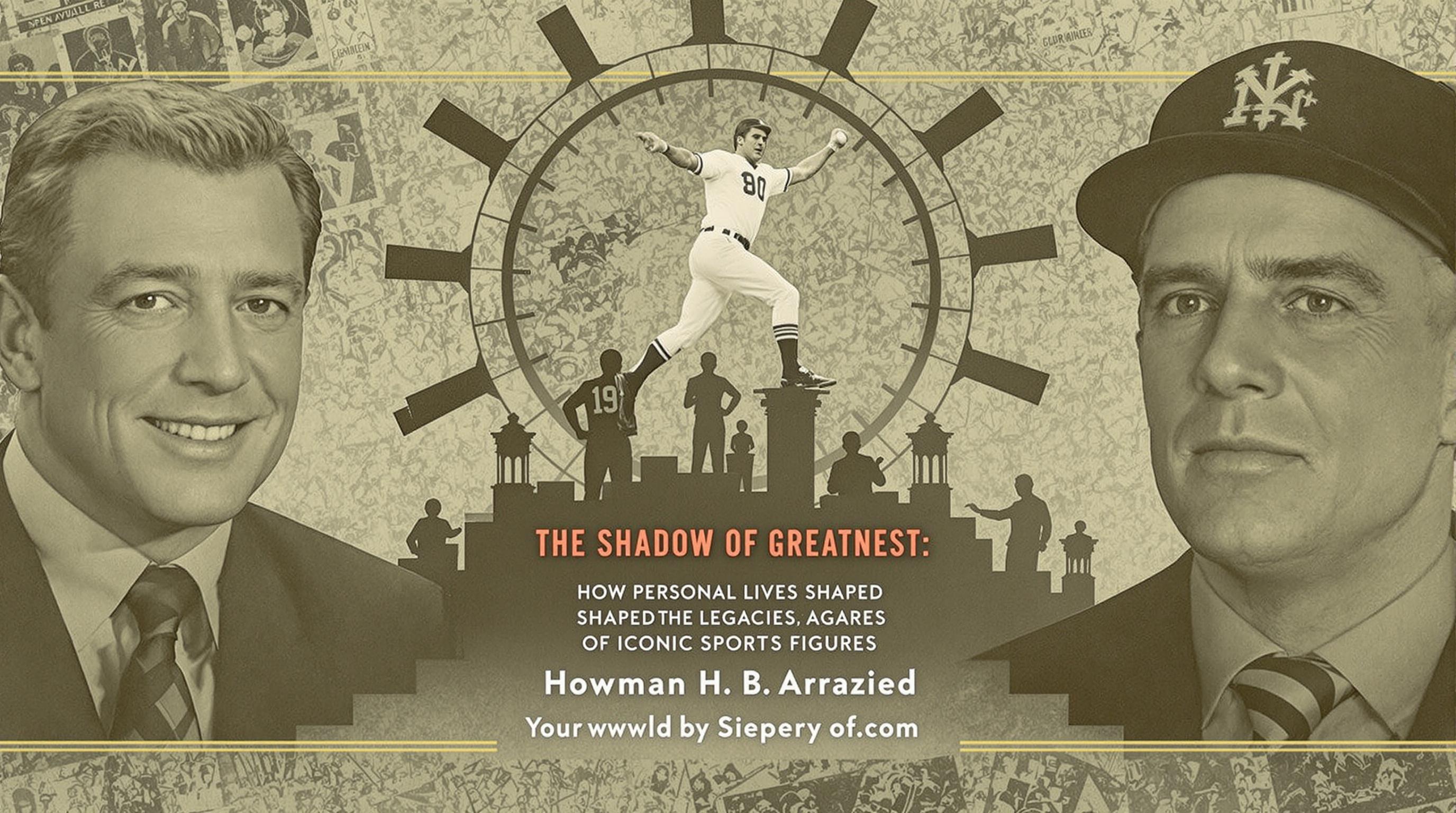
The Shadow of Greatness: How Personal Lives Shaped the Legacies of Iconic Sports Figures
The Shadow of Greatness: How Personal Lives Shaped the Legacies of Iconic Sports Figures
The legacies of iconic sports figures often transcend their athletic achievements, revealing personal stories that shape their identities and impact society. From the triumphs and trials of these athletes, we learn about the human experience—struggles with adversity, personal relationships, and the pursuit of greatness.
Introduction: The Man Behind the Myth
Every sports icon has a narrative that goes beyond the scoreboard. It’s essential to delve into their personal lives, for within these stories lie the lessons and experiences that colored their careers. Behind the athletic prowess, there is often pain, joy, failure, and resilience that defines how they are viewed—not just in sports, but in the broader cultural context as well.
The Power of Personal Struggles: The Case of Michael Jordan
As a quintessential example, Michael Jordan's journey from a young boy in Wilmington, North Carolina, to the global face of basketball showcases how personal challenges can lead to unparalleled greatness. After being cut from the varsity basketball team in high school, Jordan famously turned this rejection into a powerful motivator. His relentless drive stemmed from the sting of failure, leading to a work ethic that has become legendary.
Statistically, this determination is backed by the fact that Jordan scored an incredible 32,292 points during his NBA career, a record that still stands as one of the most prominent benchmarks in the sport.
Anecdotal Evidence: A Life Beyond the Court
Interestingly, Jordan's personal life, from his relationships with family to his philanthropic endeavors, also played a critical role in crafting his legacy. The impact of losing his father to a violent crime in 1993 not only altered his life trajectory but eventually gave rise to the Jordan Brand, a cultural phenomenon that transcends basketball.
This personal tragedy propelled him into a realm of social consciousness, urging athletes to use their platforms for advocacy, illustrating how personal adversity can serve as a catalyst for greater societal impact.
Conversational Insight: The Lessons from Serena Williams
Now, let’s switch gears and chat a bit about Serena Williams, shall we? Most know her for her powerful serve and prowess on the court, but few dive into the fascinating layers of her life away from tennis. Williams has faced significant hurdles, from battling health issues to navigating the pressures of fame while also being a mother. In her own words, “Every experience I had made me stronger; every experience I had made me a better person.”
Wouldn’t you agree that’s a notable lesson for anyone, athlete or not?
Statistics that Speak Volumes
Statistically, Williams has won an astounding 23 Grand Slam singles titles—a record in the Open Era. Yet, what makes her legacy even more profound is her outspoken stance on equality. Despite being dominant in her field, she has often faced gender and racial discrimination, yet she uses that to amplify her voice for social justice. Isn’t it incredible how her personal challenges only fueled her fire to fight for change?
The Journey of Exploring Personal Narratives
Now, let’s take a closer look at how the personal narratives of these athletes resonate with the public. When an athlete is open about their struggles—for instance, Kevin Love’s candid discussions about mental health—fans can relate on a human level. Love, an All-Star forward for the Cleveland Cavaliers, has openly shared his battles with anxiety and depression. His honesty has sparked a broader conversation about mental health in sports, illustrating how personal battles can alter public perception and impact social norms regarding mental illness.
Positive Influence: The Philanthropy of LeBron James
LeBron James, often hailed as one of the greatest basketball players of all time, provides another illuminating example. Off the court, he has established himself as a businessman and philanthropist, particularly through the LeBron James Family Foundation. His “I PROMISE School” initiative in Akron, Ohio, offers underprivileged kids opportunities many only dream of—highlighting that greatness extends beyond achievements in sports. In fact, research indicates that 75% of fans believe athletes should use their platforms for social change, showing a sense of responsibility typical of the new generation of athletes.
The Ripple Effect of Personal Growth
James’ story illustrates how personal growth can have a ripple effect, influencing not just fans but also future athletes. By creating environments that foster education and support, LeBron is demonstrating that true legacy consists of uplifting communities and encouraging others to aim for greatness. Can you imagine the impact if every athlete embraced such a mindset?
The Comedy of Errors: The Humorous Side of Sports Icons
Now, let’s add a sprinkle of humor into the mix. We often think about the serious struggles athletes face, but sometimes, their stories come with a side of comedy, too. Take former NFL quarterback Jay Cutler, for instance. Known more for his occasional eye-roll than his leadership, the man had a way of making headlines both on and off the field. Remember that time he infamously said, “I’m a big believer in practice, but the only practice I’m interested in is on Sundays”? How’s that for a motivational quote!
It's amusing to reflect on how Cutler’s laid-back attitude offered a counter-narrative to the often hyper-competitive sports culture. His story might lack the soaring highs and lows of others, but it reminds us that sometimes, sports should be playful—definitely a lesson for young athletes who may take themselves too seriously.
Bringing it All Together: The Heart of the Matter
So, what do we draw from these assemblages of sports figures? Unquestionably, their paths illuminate the role of personal experiences in shaping legacies. While triumphs in their respective sports are monumental, it’s the trials that define their true greatness. These stories resonate with fans because they encapsulate the complexities of human life—capturing themes of resilience, vulnerability, and strength amid personal setbacks.
Conclusion: The Lasting Impact of Personal Lives
As we look to the future, the importance of understanding athletes through their personal lives becomes even more significant. Young aspiring athletes should remember that greatness isn’t just about winning; it’s about navigating life’s complexities with integrity and purpose. The shadows of these sports figures reveal that personal struggles often forge deeper connections and ultimately contribute to their monumental legacies, reminding us that to excel in anything—including sports—is profoundly human.
In conclusion, the stories of icons like Jordan, Williams, Love, and James remind us that behind every athletic achievement lies an intricate tapestry woven from personal experience. Their legacies teach us not just about sports, but about living fully, passionately, and with a commitment to making a difference in the world around us. And let’s be honest—who wouldn’t want to leave such an impact?
Read More