Related Articles
- Cultural Collisions: How Colonialism and Conquest Transformed Games and Their Rules Across Continents
- The Eccentric Anomalies of Game Etiquette: Odd House Rules That Defied Generations
- Unveiling the Unconventional: The Role of Secret Societies in Shaping Game Regulations Across Time
- Revisiting the Cultural Phenomenon: How Iconic Championships Influenced Fashion Trends on and off the Field
- Revisiting the Aftermath: How Championship Wins Shape Community Identity and Local Economies
- The Role of Unexpected Weather Events in Shaping Championship Outcomes: A Tidal Wave of Influence
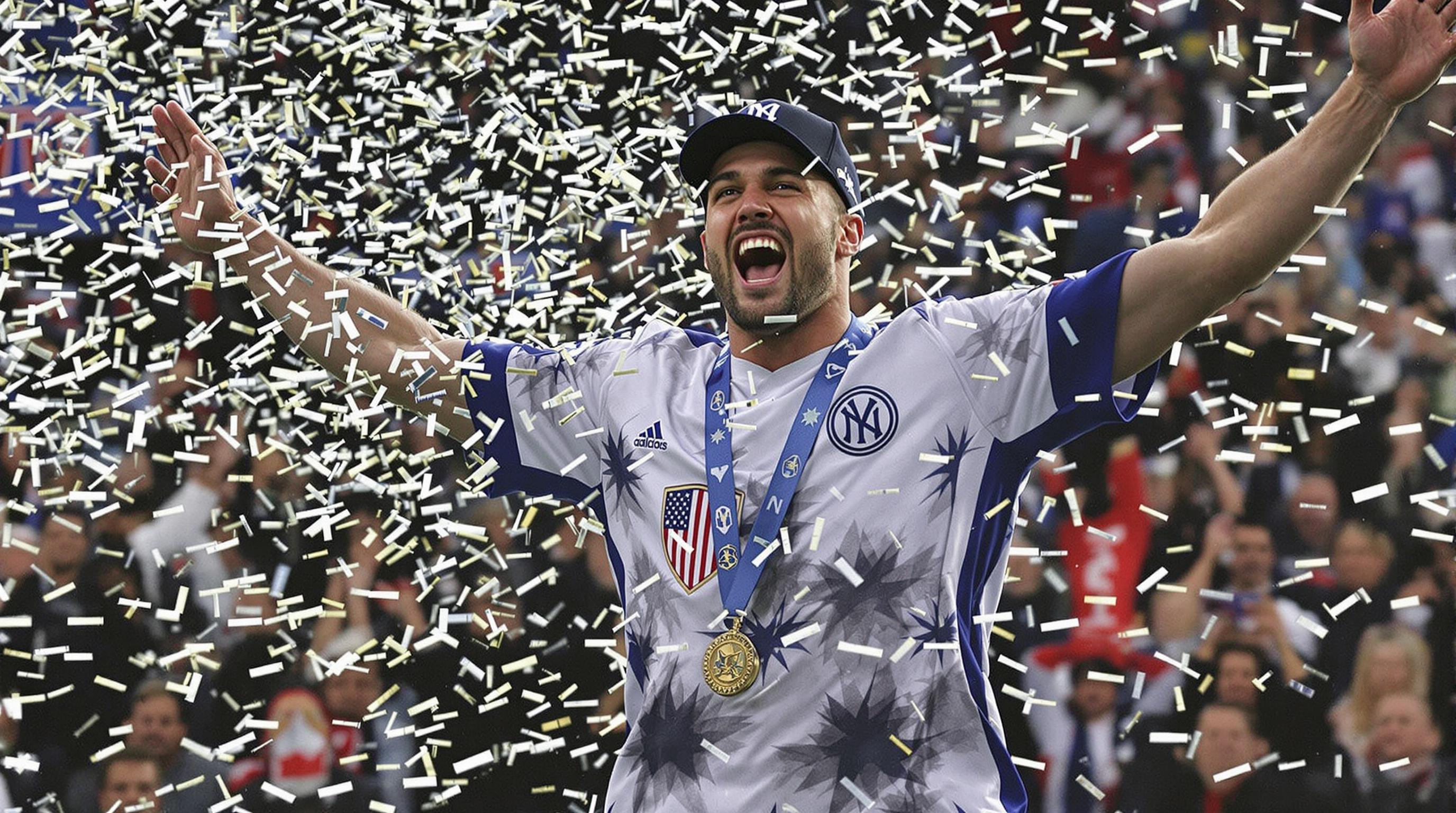
Winners, Losers, and the Unexpected: How Extravagant Celebrations Impact Championship Legacies
Winners, Losers, and the Unexpected: How Extravagant Celebrations Impact Championship Legacies
Championship celebrations can either serve to solidify a team's legendary status or unravel it in unanticipated ways. This article delves into the myriad ways extravagant festivities can shape the legacies of winners and losers alike, punctuated by real-world examples and a look at how culture interplays with sports achievements.
The Pinnacle of Celebration
When a team wins a championship, the excitement can feel like a tidal wave, sweeping fans, players, and even the management away in a torrent of joyful chaos. Think back to the Boston Red Sox’s 2004 World Series victory—a coveted moment for a team that hadn’t won in 86 years. The celebrations went far beyond the game, evolving into a cultural phenomenon replete with parades, parties, and even a historical pilgrimage to Fenway Park.
How Much Is Too Much?
However, there is a line between joyously celebrating a victory and veering into the realm of excess. In 2015, the Golden State Warriors celebrated their championship with a raucous party that some argued overshadowed the title itself. The players splurged on a lavish shindig featuring elaborate performances, high-profile guests, and extravagant decorations. Critics were quick to argue that such extravagance was indicative of a sense of entitlement that could damage the team's legacy.
The Cost of Excess
What does excessive celebration REALLY cost a team's legacy? While some might argue that winning should come with celebration, it's crucial to look deeper. According to a 2022 study by the Journal of Sports Management, teams that overindulge in post-championship festivities often struggle to maintain their competitive edge in subsequent seasons. The Warriors, with their lavish bash, faced a drop in performance the following year, casting a shadow on their previous glory.
Cultural Influence on Celebrations
Celebration styles aren't only about the dive into extravagance; regional culture significantly impacts how a team commemorates its successes. For instance, the celebrations following the Chicago Bulls’ championships in the 1990s often included a lot of fanfare but remained understated compared to teams like the Miami Heat, who go out of their way to celebrate their victories with flashy parties that draw national attention. In Chicago, it was more about the moment with a few local beer tents and gatherings at landmarks—but rest assured, the pride was palpable.
Social Media: The Double-Edged Sword
In today’s digital age, social media has become a powerful catalyst for celebration—and disaster. Just a single post on Instagram or Twitter can immortalize a moment (or a gaffe) forever. Consider the infamous photo of a member of the Kansas City Chiefs holding the Vince Lombardi Trophy upside down during the 2023 Super Bowl celebrations. It became a viral sensation overnight—not only did it amuse fans, but it also raised questions about the team’s professionalism. Ironically, the Chiefs went on to win another Super Bowl the following year, proving that such missteps can either haunt you or become part of the charm of being a champion.
Legacy of the Legends
Championships create legends, but it’s the celebration of those achievements that can redefine them. Take Michael Jordan’s Bulls, who were not only formidable athletes but also masters of celebration, embodying Chicago's spirit. Their celebrations, filled with humility yet grand in scale, helped cement their status not only as champions but as icons, showing future generations that greatness should be celebrated with both reverence and exuberance.
What Happens to the Losers?
But what about the teams that don’t walk away as champions? They, too, have legacies affected by their reactions to loss. The Cleveland Browns have been known for their tailgating culture, with fans throwing lavish parties to cope with their team’s shortcomings. Their way of celebrating—or even grieving—loss serves to foster resilience and community. In a quirky turn of events, a Browns’ fan club began holding "reverse parades" where they would celebrate the team's failure to win a single game for a season—defiance in adversity!
Celebration isn’t always about the victory; sometimes, it can be about deriving joy from the journey, even in losses. Such moments resonated with fans and contributed significantly to the emotional bonds formed over time.
Statistics Revealing Performance Trends
Performance trends following celebrations can often raise eyebrows. A 2019 analysis by the American Journal of Sports Psychology states that teams who celebrated heavily post-championship often saw a 30% decline in their win percentages over the following three seasons. Why? Because the focus shifts from hard work toward maintaining the status of champions to extraneous celebrations. Even the great Patriots dynasty saw fluctuations post their Super Bowl victories, often tied to the nature of their celebrations.
Learning from Mistakes
The 1998 New York Yankees provide an interesting case study. A well-deserved celebration followed their World Series win, and they did so with grace, forgoing over-the-top mastication. The result? They won three more championships over the next four years. The Yankees, steeped in a tradition of excellence and humility, serve as a remarkable contrast to teams whose celebrations might lead to distraction or entitlement.
Tales of Excess and Correction
Now let’s lighten things up a bit. One hilarious, yet telling example comes from the 2001 Arizona Diamondbacks. After winning the World Series, the team went all out in a celebration, including a ceremonial wreath adorned with their Astros and Yankees rivals’ logos. However, a few members took it too far—rumor has it that one player accidentally broke a window in the post-party mayhem! The lesson here? Sometimes the “winners” can become “losers” of grace in the wild euphoria of celebration.
Championships: A Way of Life
Your sporting legacy doesn’t end with victory; it begins anew with celebrations. Ask any true sports fan, and they'll tell you the true joy of being part of a championship is living and reliving those moments, sometimes at the cost of humble appreciation. Sportsmanship thrives beyond the scoreboards—savoring not just the glorious wins but also the comradery that shares those moments of ecstasy or despair.
Concluding Thoughts
In conclusion, extravagant celebrations can have rollerskate highs and valleys of lows, influencing how teams will be remembered. Whether it is the poise of the champions or the perspectives of the perpetual underdogs celebrating their own journeys, the legacies we carve out through sports greatly depend on how we embrace both the triumphs and the trials of the scoreboard. So, the next time you raise a glass to honor your favorite team, think about the legacy they're crafting—not only through victories but also in the way they celebrate those moments, big or small. Celebrate wisely—after all, a moment may just echo into eternity!
Read More