
Related Articles
- Cultural Collisions: How Colonialism and Conquest Transformed Games and Their Rules Across Continents
- The Eccentric Anomalies of Game Etiquette: Odd House Rules That Defied Generations
- Unveiling the Unconventional: The Role of Secret Societies in Shaping Game Regulations Across Time
- Revisiting the Cultural Phenomenon: How Iconic Championships Influenced Fashion Trends on and off the Field
- Revisiting the Aftermath: How Championship Wins Shape Community Identity and Local Economies
- The Role of Unexpected Weather Events in Shaping Championship Outcomes: A Tidal Wave of Influence
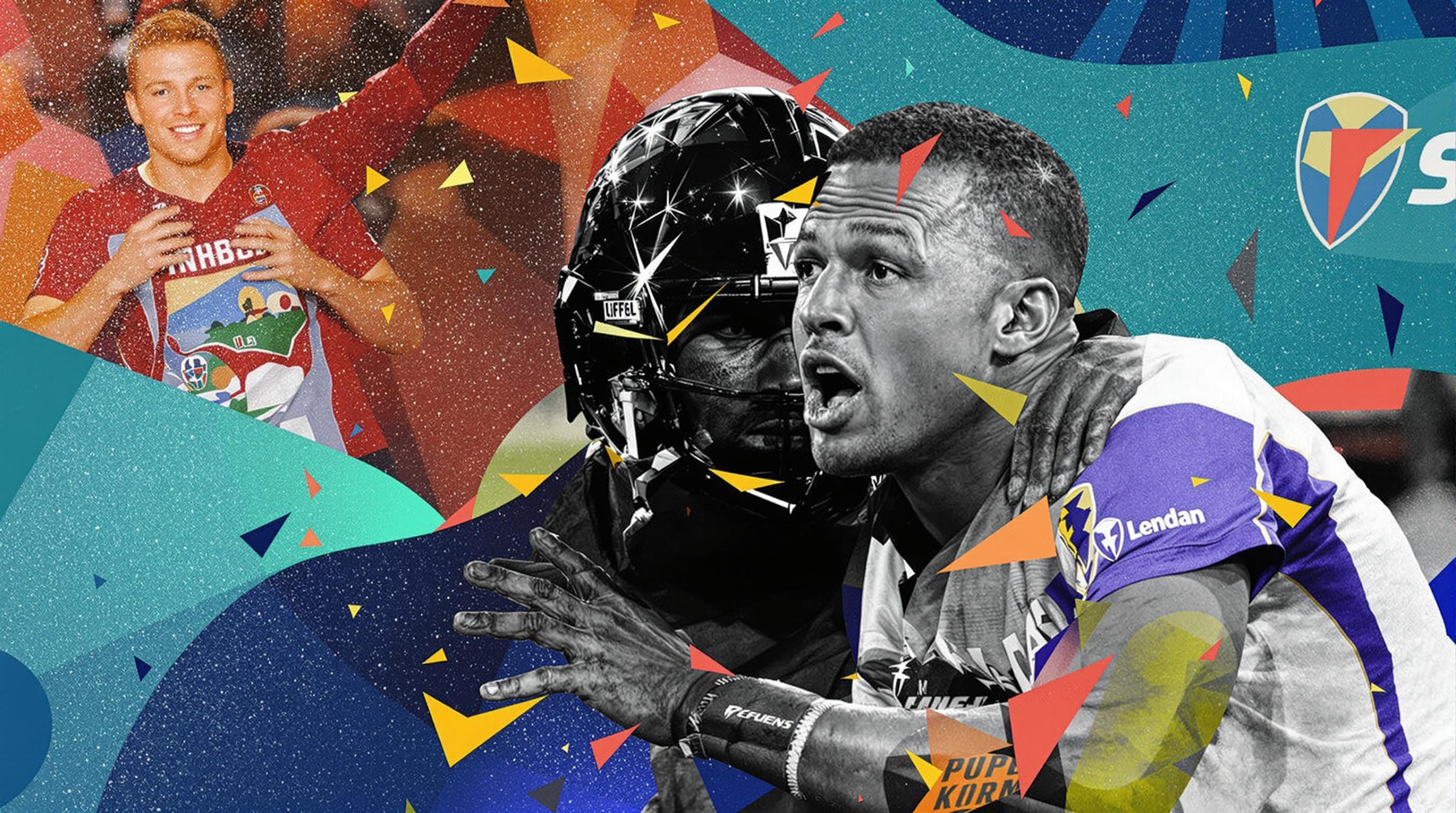
Unraveling the Tactics: How Unexpected Strategies Turned the Tide in Championship Showdowns
Unraveling the Tactics: How Unexpected Strategies Turned the Tide in Championship Showdowns
In championship showdowns, the difference between victory and defeat often hinges on unexpected strategies that catch opponents off guard. This article explores various remarkable instances where unconventional tactics played a crucial role in shifting the momentum of iconic games across sports.
The Element of Surprise: A Game-Changer in Sports
Imagine stepping onto the field, hardwood, or pitch to face an opponent known for their sudden brilliance. It’s a daunting scenario that any athlete or coach can relate to. But what if the game strategy being utilized goes against the grain? In sports, unexpected tactics can redefine roles, alter expectations, and shift the course of competition.
A Lesson from the Underdogs
One of the most stirring examples of an unconventional strategy is the 2001 NCAA Basketball Championship. The dynasty of the Duke Blue Devils was expected to crush the Maryland Terrapins. Yet, Maryland’s head coach Gary Williams implemented a defensive strategy that was both simple and effective: switching to a match-up zone. The result? Maryland stunned Duke, winning 78-75 in a heart-stopping final. The Terrapins capitalized on their defensive strengths, turning the tables against a more favored opponent. Statistics showed that Maryland’s 67% shooting percentage in the second half contrasted sharply with Duke’s struggles, illustrating how a key tactical switch can change the game’s dynamics.
Stubborn Realism vs. Creative Chaos
Time and again, sports psychology has demonstrated the power of a confident mindset. For example, during Super Bowl LI in 2017, the New England Patriots found themselves in an impossible position, trailing the Atlanta Falcons 28-3. In a display of uncanny resilience and strategic creativity, Coach Bill Belichick scrutinized the Falcons’ 3-4 defense. By placing Gronkowski in unexpected formations and increasing their passing tempo, the Patriots orchestrated one of the most dramatic comebacks in sports history, winning 34-28 in overtime—the first such victory in Super Bowl history. This became exemplified by the fact that the Patriots made 25 unanswered points; a true tactical masterclass. Such feats of unexpected strategy are what have earned Bill Belichick four Super Bowl titles.
Dynamic Storytelling in Sports
Being a sports fan isn’t just about statistics; it’s about the narratives that define those stats. Every game has a story, and often, the plots twist due to extraordinary tactics at play. Take the famous "Miracle on Ice" during the 1980 Winter Olympics. The U.S. hockey team, featuring amateur players, faced the powerful Soviet Union team. Coach Herb Brooks’ strategy revolved around conditioning and playing a suffocating, fast-paced game that countered the Soviets’ style. The U.S. team's grit and unexpected quickness led to a shocking 4-3 victory, embedding itself in sports history as one of the greatest upsets. The fact that the Soviets had not lost an Olympic match in 12 years only adds to the gravitas of this unexpected triumph.
The Risk of Innovation: An Artistic Gamble
Sometimes, unexpected strategies come wrapped in raw risk. In 2009, the New York Giants faced the undefeated New England Patriots in Super Bowl XLII. Coach Tom Coughlin's decision to employ a no-huddle offense caught the Patriots off guard. This gamble created relentless pressure leading to a shocking upset. The Giants’ defense was also vital, sacking Tom Brady five times. It wasn't just a hockey analogy that played out—it was like watching a thrilling chess match unfold. Coughlin's tactical audacity demonstrated how artful unpredictability can extract victory from the jaws of certainty.
Statistical Blowouts: Speed Over Style
The world of sports analytics often reveals surprising truths. Consider the 2015 MLS Cup final, where the Portland Timbers shocked the Columbus Crew with a strategic move nobody anticipated. The Timbers started the match employing a 4-2-3-1 formation, but their adjustment to a 4-4-2 diamond in the second half proved pivotal. Ultimately, they controlled possession for the first time in a tense battle, flaunting a modest 45% possession by game’s end but dominating 2-1 on the scoreboard. The success in this match hinged on an unexpected switch that the Crew failed to adapt to quickly enough.
An Unlikely Friendship: Rivalries that Define Tactics
Part of what makes sporting showdowns so captivating is the rivalry intricacies that often lead to unexpected tactics. Think back to the storied rivalry between Lionel Messi and Cristiano Ronaldo. Each player adapted their gameplay through a blend of audacity and unconventional approaches, constantly aiming to outshine the other. In a match between FC Barcelona and Real Madrid in 2014, Messi used reverse psychology, frequently drawing defenders out of position with feigned movements. This unpredictability often results in electric performances. For football enthusiasts, insight into their tactics amplifies the emotions associated with watching these legends compete.
Embracing Mistakes as Opportunities
Unexpected strategies are not always victories; sometimes they lead to comical failures that become cherished moments of sports history. Picture the infamous “Butt Fumble” by Jets quarterback Mark Sanchez, a move that became a total tactical blunder on Thanksgiving Day, 2012. Sanchez collided with his own lineman, resulting in a fumble and scoring touchdown for the New England Patriots. While this was hardly an intentional strategy, the embarrassment was somehow turned into social media gold, symbolizing the thin line between tactical brilliance and complete mayhem in sports. Though it was not what any team hoped to achieve, the unexpected often becomes the most memorable.
Celebrating Understated Heroes
In the world of sports, heroes can come in various forms. Occasionally, they’re players; sometimes, they’re coaches or even statisticians doing the behind-the-scenes work. A prime example is the story of Bill Walsh and the “West Coast Offense” that revolutionized the NFL in the 1980s. The tactical shift from a run-heavy approach to a passing mentality not only changed the game but also led the San Francisco 49ers to three Super Bowl championships in the decade. Walsh’s innovative strategy has often been cited as a game-changer, focusing on quick passes and precise timing to outsmart defenses with an unexpected method. Statistically, it remains one of the most influential offensive schemes in modern sports.
Persuading Through Unexpected Moves
Furthermore, unexpected strategies are also prevalent in e-sports! In the Dota 2 International 2018, Team OG executed an unprecedented draft, opting for unconventional heroes that negated their opponents’ strategies. Even going against predicted meta picks, they dazzled their audience with mastery over unique combinations and surprising movements on the map. OG became champions, marking history as the first team to win the event through the Lower Bracket. In a world governed by rigorous patterns and statistical probabilities, OG exhibited that unexpected tactics can triumph over raw data.
Finding Your Game Plan
As we delve deeper into the reasons unexpected strategies succeed, we see a common theme: adaptability. The essence of victory often lies not in sticking to a predetermined plan but in modifying the plan when circumstances change. Whether you’re a sports enthusiast or an everyday individual facing life’s challenges, remember that the ability to pivot and employ unexpected tactics can lead to triumph. The champions of yesterday, from the icy rinks to sun-soaked stadiums, embraced creative chaos that propelled them to glories that many dared not dream of.
In Conclusion: Transforming the Game Through Creativity
Throughout the captivating realm of sports, unexpected tactics serve to elevate the game itself, transforming defeats into exhilarating victories. As we’ve explored examples, from college basketball to professional football and beyond, it’s evident that the success of these surprise strategies relies heavily on intelligent, innovative thinking. So, the next time you find yourself facing a challenge, remember—sometimes, it’s the unexpected that can truly turn the tide.
Read More