Related Articles
- Cultural Collisions: How Colonialism and Conquest Transformed Games and Their Rules Across Continents
- The Eccentric Anomalies of Game Etiquette: Odd House Rules That Defied Generations
- Unveiling the Unconventional: The Role of Secret Societies in Shaping Game Regulations Across Time
- Revisiting the Cultural Phenomenon: How Iconic Championships Influenced Fashion Trends on and off the Field
- Revisiting the Aftermath: How Championship Wins Shape Community Identity and Local Economies
- The Role of Unexpected Weather Events in Shaping Championship Outcomes: A Tidal Wave of Influence
Whistleblowers and Winds of Change: How Scandals Are Forging a New Era of Accountability in Athletics
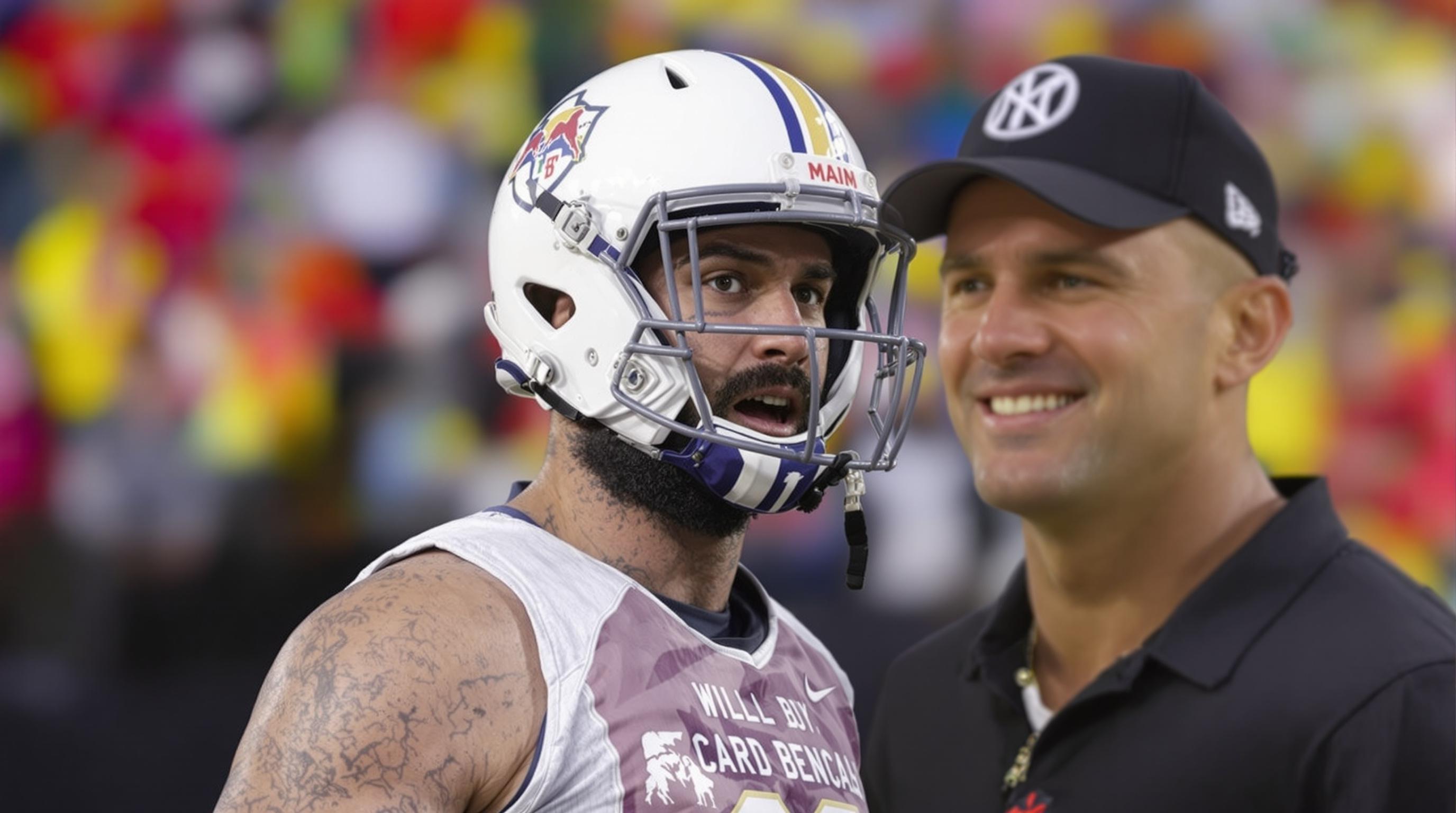
Whistleblowers and Winds of Change: How Scandals Are Forging a New Era of Accountability in Athletics
The world of athletics is undergoing a seismic shift as whistleblowers shine a light on the dark corners of corruption and misconduct. This new era of accountability is not just transforming sports but is also inspiring athletes and organizations to adopt greater integrity in their practices.
Introduction: The Silent Heroes
Whistleblowers are often depicted as lone wolves, isolated in their pursuit of truth. Yet, in the realm of athletics, these courageous individuals are becoming champions of change, heralding a movement towards transparency that has eluded the sports industry for decades. According to a 2022 study by the International Journal of Sport Management, around 67% of athletes reported that they felt unsafe reporting misconduct in their organizations. This stark statistic highlights the urgent need for a cultural shift in how we handle misdeeds in sports.
The Power of One: How a Single Voice Can Change the Game
Take, for example, the story of Dr. Larry Nassar, the former USA Gymnastics doctor whose serial abuse of athletes for decades went unchecked. It was the determination of several brave gymnasts, including Simone Biles, that finally brought Nassar to justice in 2018. Biles’ public testimony and the courageous accounts of her peers galvanized a movement that one could argue has irrevocably changed the landscape of women's gymnastics and beyond. Their stories weren’t just whispers; they became a powerful cacophony demanding accountability.
Cultivating a Culture of Candor
Creating an environment where whistleblowers feel safe is essential. Sports organizations worldwide are beginning to take this to heart, implementing whistleblower protection laws and anonymous reporting platforms. The National Football League (NFL), for instance, has recently taken steps to encourage reporting of misconduct by offering confidential channels and protection against retaliation. This has resulted in an increase in reported cases, indicating a shifting tide where athletes feel empowered to speak up.
The Ripple Effect of Accountability
Figures from the University of Southern California's 2021 research show that nearly 75% of student-athletes believe that accountability impacts team dynamics positively. This strong belief is paving the way for coaches and administrators to prioritize responsibility in their programs, ensuring that they not only educate athletes about the importance of ethical behavior but also embody those values themselves. As accountability becomes ingrained in the culture, we’re witnessing a paradigm shift that extends beyond mere compliance.
Breaking the Stats: The Triumphs of Athletic Whistleblowers
The statistics speak for themselves. A survey conducted by the Ethics Resource Center indicates that sports organizations with clear anti-harassment policies and whistleblower protection had a 40% lower rate of reported misconduct. This evidence underscores the crucial role that proactive measures play in cultivating a safe and inclusive athletic environment.
Famous Whistleblower Cases in Sports
History has shown us time and again that the consequences of silence can be dire. Take the case of Major League Baseball’s (MLB) steroid scandal, where players like Alex Rodriguez and Barry Bonds were implicated in drug use. It was the whistleblower testimony from players and insiders that exposed the rampant use of performance-enhancing drugs and led to sweeping changes in the league’s policies. The impact of these revelations instilled a renewed focus on ethics in professional sports, prompting leagues to implement stricter drug-testing protocols.
Humor as a Coping Mechanism
In a lighter vein, let’s acknowledge how sometimes laughter is the best medicine. One can't help but chuckle at the irony of scandals such as the infamous "Deflategate" incident in the NFL. Tom Brady’s deflated footballs led to a chaotic national uproar, with memes spawning faster than you could say “interception.” Yet, behind the laughter lay a salient point: even the most glamorous of sports can be riddled with scandal, a reminder of the importance of honesty and integrity.
The Role of Media: Unmasking the Unseen
Media plays an instrumental role in fostering accountability within sports. Investigative journalism has exposed numerous scandals that might have otherwise remained hidden. The 2015 reporting by the The Guardian on abuse within various Olympic sports was pivotal, leading to significant public outcry and eventual reforms. This illustrates how powerful a scrutinizing lens can be in creating a culture of honesty in athletics.
Learning from Mistakes: Case Studies
Learning from past mistakes is essential for progress. The FIFA corruption scandal proved devastating for the world of football when it was revealed that officials had taken bribes amounting to hundreds of millions of dollars. This exposure has prompted unprecedented changes in governance and transparency measures within the organization. Today, FIFA has implemented new standards aimed at ensuring that such corruption is less likely to occur in the future.
Changing Attitudes Among Athletes
Modern athletes are more vocal than ever about their experiences and the need for accountability. Megan Rapinoe, star of the U.S. Women's National Soccer Team, has become an outspoken advocate for equality and transparency in sports. By using her platform to address issues like pay disparity and sexual harassment, she exemplifies a new generation of athletes willing to stand up for what is right, inspiring others to follow.
The Role of Technology in Whistleblowing
Technology is a double-edged sword, and in the world of athletics, it can either hammer down on secrecy or perpetuate it. Anonymous reporting apps have emerged as crucial tools for whistleblowers, enabling them to share their experiences without fear of repercussion. Companies like "Whistleblower Security" have designed platforms specifically for non-profit and sports organizations, allowing athletes to report incidents confidently.
A Call to Action for Transparency
For organizations, the time to act is now. Sports bodies must recognize that fostering a culture of accountability is a continuous effort requiring engagement from everyone involved. From grassroots programs to professional leagues, everyone has a role to play in ensuring that athletes feel safe, supported, and empowered to report wrongdoing. Engaging fans and sponsors in dialogue about ethics could further promote a culture of integrity.
In Conclusion: A Brighter Future for Sports
The era of silence is crumbling, ushering in a new age characterized by openness and accountability. Whistleblowers are unlikely heroes that remind us of the strength found in truth. With every revelation, every courageous act of speaking out, we move a step closer to a sporting world free from corruption and misconduct. In a time when the stakes are higher than ever, change is not just possible; it’s happening now.
Final Thoughts: The Path Forward
Ultimately, the evolution of accountability in athletics requires commitment from all stakeholders. Athletes, fans, organizations, and policymakers must unite in prioritizing a culture where integrity flourishes. The future of sports hangs in the balance, driven by whistleblowers and champions of change — those who dare to dream of a better world, where the only thing athletes take home is gold, accountability, and the spirit of fair play.
Read More