Related Articles
- Cultural Collisions: How Colonialism and Conquest Transformed Games and Their Rules Across Continents
- The Eccentric Anomalies of Game Etiquette: Odd House Rules That Defied Generations
- Unveiling the Unconventional: The Role of Secret Societies in Shaping Game Regulations Across Time
- Revisiting the Cultural Phenomenon: How Iconic Championships Influenced Fashion Trends on and off the Field
- Revisiting the Aftermath: How Championship Wins Shape Community Identity and Local Economies
- The Role of Unexpected Weather Events in Shaping Championship Outcomes: A Tidal Wave of Influence
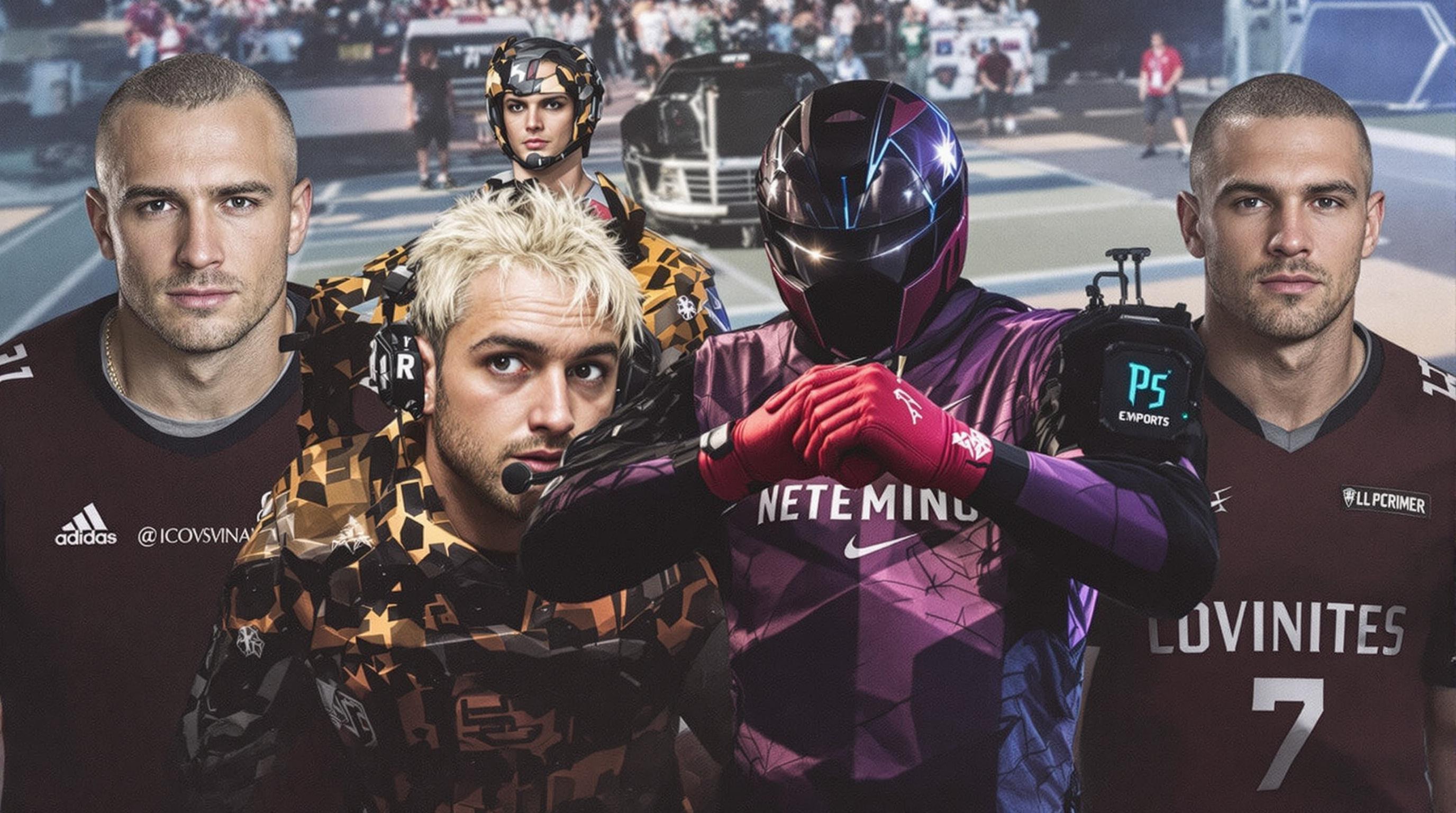
Unearthing E-Sports: Gamers Turning Traditional Athletes into Virtual Icons in an Unlikely Sports Renaissance
Unearthing E-Sports: Gamers Turning Traditional Athletes into Virtual Icons in an Unlikely Sports Renaissance
The world of sports is being transformed as e-sports rise to prominence, unveiling a new generation of athletes who excel within virtual realms. Gamers are not only becoming icons but are also driving a cultural renaissance where traditional athletes are blending their physical prowess with digital skills.
The Dual-Sport Dilemma
Imagine a world where Lionel Messi skillfully dribbles through defenders on a football pitch while simultaneously dominating a virtual soccer field in FIFA e-sports. This duality is not far-fetched. Traditional athletes are, in fact, jumping into the e-sports arena, creating new opportunities and redefining athleticism.
A New Breed of Athlete
At the intersection of athleticism and gaming lies a new breed of athlete. In a recent study conducted by Newzoo, the global games market is projected to exceed $200 billion by 2023, signifying a crossover appeal that’s irresistible for traditional athletes. Many are finding that e-sports not only provide financial incentives but also an avenue for transcending their physical limitations.
The Rise of Celebrity Gamers
With the e-sports phenomenon on the rise, we have seen the emergence of celebrity gamers like Tyler "Ninja" Blevins, who rose to fame playing Fortnite. Ninja's influence is immeasurable. In 2018, he amassed over 14 million Twitch followers, and sponsorship deals reported to be in the millions solidified his status not just as a gamer but as an icon in popular culture.
The Financial Draw
Now, let’s break it down. According to the Esports Earnings website, competitive gamers can earn significant salaries. The top e-sports athletes can make upwards of $3 million a year, and that doesn’t even include sponsorships and streaming revenue. This wealth is compelling traditional athletes to explore their gaming counterparts—because let’s face it, who wouldn’t want to earn a comfy living while playing video games?
Traditional Heroes in the E-Sports Arena
Many traditional sports legends are finding solace in e-sports. For instance, NBA superstar LeBron James has endorsed the NBA 2K League, where fans can engage with their basketball idols in a digitized format. The appeal is clear—athletes remain relatable figures while also reaching younger audiences who may not resonate with conventional sports.
A Multigenerational Appeal
The advent of e-sports has created a unique intergenerational dialogue among fans. The demographic shift indicates that interest in gaming spans across age groups, from teenagers to adults in their late 60s. In a sense, this gaming renaissance fosters community and inclusion—a space where gamers of all ages can battle it out, share strategies, and socialize.
The Social Ingredients of E-Sports
Socializing is one of the key factors in making e-sports universally appealing. Multiplayer formats encourage cooperation and camaraderie, websites like Discord and various gaming forums allow fans and gamers to connect and share their experiences. This sense of belonging is something traditional sports often strive for by building fan clubs and communities. E-sports, however, could be more immediate and accessible.
Why It Matters
The merging of traditional athletics and e-sports means enhancing visibility for both sectors. Schools are now recognizing e-sports as a valuable extracurricular activity, often listing them alongside traditional sports. Institutions like Robert Morris University in Illinois have gone as far as offering esports scholarships, thus acknowledging the legitimacy of competitive gaming as a skill set.
Embracing Diversity
Traditionally, sports have often shaken off the notion of diversity, but e-sports, in many circumstances, provide a more inclusive platform. Gamers from various social, ethnic, and racial backgrounds participate on an equal footing. During tournaments like the League of Legends World Championship, the global representation shows that no matter where players hail from, skill is what truly transcends barriers.
The E-Sports Spectacle
What makes e-sports thrilling are the live events, comparable to traditional sports championships. The buzz surrounding these events is astronomical! Riot Games, for instance, reported that the 2023 League of Legends World Championship achieved a staggering 140 million unique viewers—a testament to how e-sports is becoming synonymous with entertainment.
A Look to the Future
As we look towards the future, it’s common to wonder: where is this unlikely sports renaissance heading? Experts predict that by 2025, the e-sports audience will surpass 500 million globally. This expansion opens the floodgates for investment, media rights, and broader marketing opportunities, resulting in unprecedented growth.
Blending Realities
The integration of augmented and virtual reality in e-sports presents another layer of evolution. Imagine watching your favorite traditional athletes literally stepping into the virtual world—gamers could experience a sense of immersion unlike anything before. Pioneers like Oculus and Microsoft are investing heavily in this technology, unlocking new frontiers for both traditional and e-sports.
Challenges Ahead
However, this merging of worlds isn’t without challenges. The stigma surrounding the gaming community persists, and there’s often a misconception that gamers lead unhealthy lifestyles. In fact, recent studies show that professional gamers maintain a rigorous training regimen focused on mental agility and stamina. It’s about time we unveil the truth: these athletes are conditioned for success!
Finding Common Ground
To build bridges between traditional and e-sports, stakeholders from both sectors must come together for a common cause: promoting healthy lifestyles and responsible gaming. Initiatives incorporating physical activity into gaming—like e-sports combined with fitness programs—could create a healthier gaming culture, ensuring players remain spry both online and offline.
The Conclusion: A Blended Horizon
In this thriving and collaborative landscape, e-sports are paving the way for the next generation of athletes to rise—people who blend traditional athleticism with digital excellence. As players, coaches, and fans embrace this unconventional fusion of gaming and sports, it’s evident that the future lies in the hands of those uniting their diverse talents in the aspirational world of e-sports.
Whether you’re a die-hard traditional sports fanatic or an e-sports enthusiast, one thing is certain—the stakes have never been higher, and the possibilities are endless. So buckle up; the game is just getting started, and the next wave of athletic prowess is poised to ascend in the digital landscape like never before!
Read More