
Related Articles
- Cultural Collisions: How Colonialism and Conquest Transformed Games and Their Rules Across Continents
- The Eccentric Anomalies of Game Etiquette: Odd House Rules That Defied Generations
- Unveiling the Unconventional: The Role of Secret Societies in Shaping Game Regulations Across Time
- Revisiting the Cultural Phenomenon: How Iconic Championships Influenced Fashion Trends on and off the Field
- Revisiting the Aftermath: How Championship Wins Shape Community Identity and Local Economies
- The Role of Unexpected Weather Events in Shaping Championship Outcomes: A Tidal Wave of Influence
From Stadiums to Screens: The Unexpected Impact of Virtual Reality on Local Sports Engagement
From Stadiums to Screens: The Unexpected Impact of Virtual Reality on Local Sports Engagement
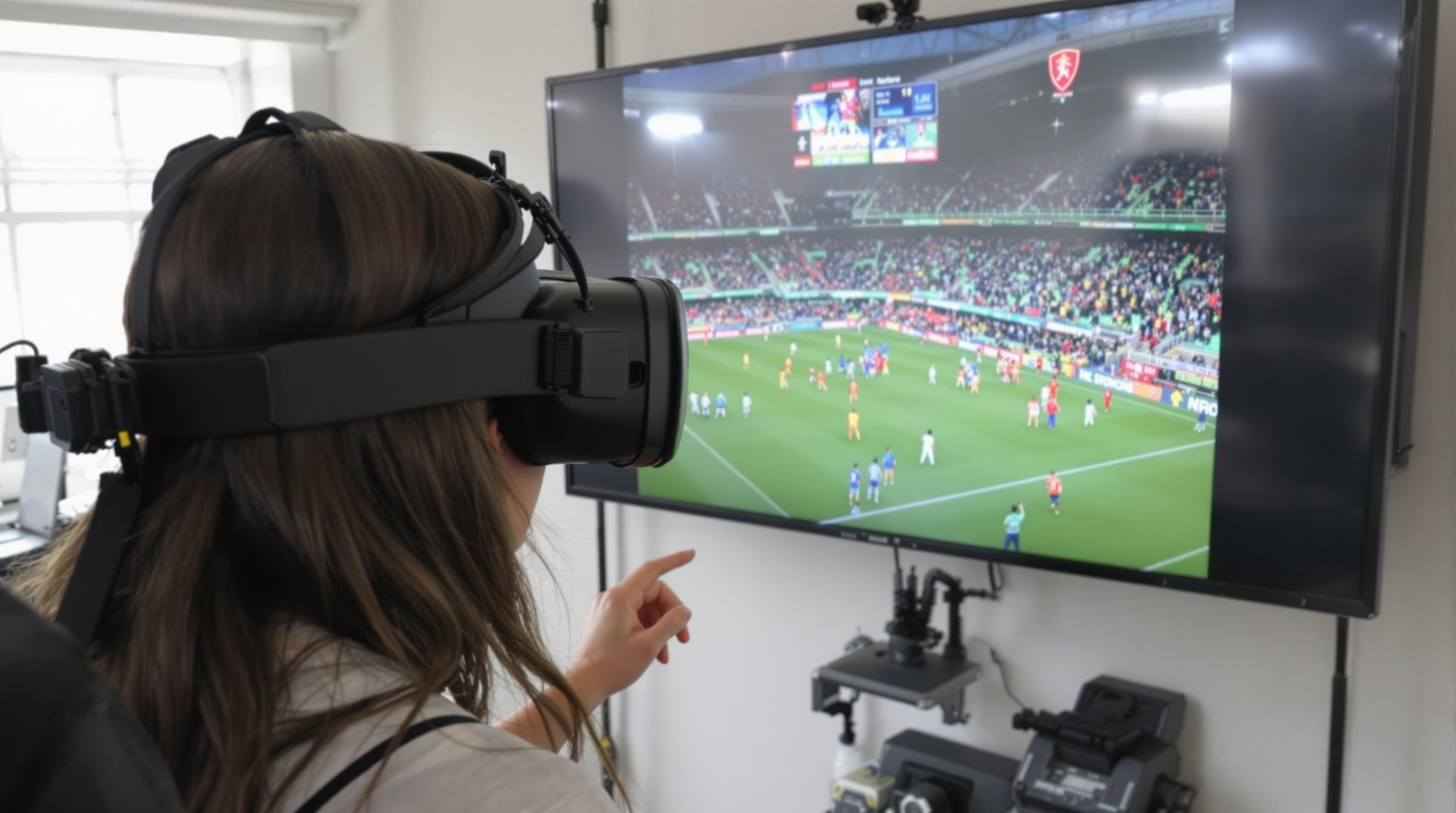
The rise of virtual reality (VR) technology is redefining the landscape of local sports engagement, bringing fans closer to the action than ever before, even from the comfort of their living rooms. As sports entities embrace this technology, we witness a transformation in how communities interact with their local teams, bridging gaps between physical stadiums and virtual experiences.
Setting the Scene: A New Era of Sports Engagement
Imagine the thrill of being courtside at a basketball game, feeling the electric energy of the crowd as your favorite player leaps for a dunk. Now imagine experiencing that same atmosphere without leaving your Couch, thanks to VR technology. This revolutionary shift isn't just a luxury for tech enthusiasts—increasingly, it’s becoming an accessible norm for sports fans everywhere.
The Statistics Speak: A Game Changer for Local Sports
According to a recent study by PwC, 44% of sports fans expressed interest in watching games through virtual reality. In a world where concerted efforts are being made to pull spectators out of their homes and into stadiums, VR creates an intriguing paradox—it invites viewers to stay put while promising an immersive experience. The implications for local teams are enormous, providing opportunities to engage with existing fans while tapping into a broader audience that may have previously felt disconnected.
Case Study: The Chicago Bulls and Their VR Experiences
Take the Chicago Bulls, for example. The NBA team has incorporated VR into their promotional strategy, offering fans virtual season ticket experiences. This initiative allows patrons to experience player introductions, timeouts, and even in-game highlights from a VIP perspective, all from a headset. With over 1,200 fans attending their VR events in the first year alone, the Bulls are successfully opening channels for immersive fan engagement that local sports teams need to explore.
Bridging the Gap: From Fans in Seats to Fans on Screens
The traditional model of sports viewing has long relied on close physical proximity to the action. However, VR is dismantling those barriers. In small towns, where local sports events are often the highlight of the week, VR can elevate community engagement. Picture a local high school football game: families who can’t attend might still immerse themselves in the atmosphere, rooting for their team just like they would if they were in the bleachers.
The growth of online streaming has also expectedly contributed to this trend. With the pandemic spurring various industries to pivot their business models, local sports teams turned to online platforms to reach their fans. An analysis by Deloitte found that 62% of fans engaged with sports teams digitally during COVID-19, reinforcing the notion that local interest can thrive beyond physical barriers.
The Element of Community: VR's Unique Interaction
The essence of sports lies in community connections, an element that VR can potentially enhance. By hosting virtual watch parties, local sports teams can bring fans together to experience the game. Imagine a virtual pub where fans don their team’s colors, chat with friends, and react to plays as they unfold on screen—it's the perfect blend of camaraderie and technology.
A Thoughtful Discourse on Virtual Reality and Ethics
Yet, one can’t ignore the ethical considerations surrounding VR’s rise. As fans dig deeper into this captivating technology, questions arise—how often is too often to escape into these virtual worlds? For many, sports aren't just about the game; they're about the memories created in shared spaces. The challenge lies in ensuring that as local teams incorporate VR, they don't alienate traditional fans who crave the in-person experience.
Skeptics and Their Viewpoints
Skeptics might argue that while VR offers a unique avenue for engagement, nothing compares to the thrill of being physically present at a game. They have a point: Witnessing jaw-dropping moments live, sharing cheers with strangers, and soaking in the overall experience is irreplaceable. Yet, one could counter that VR's goal isn't to replace the stadium but to coexist alongside it, providing different levels of engagement that cater to diverse fans.
Building a New Narrative: The Role of Technology in Inclusion
While counterarguments tread on valid ground, they often overlook the significant inclusivity that VR technology provides. For fans with disabilities, geographic constraints, or financial challenges, VR opens the floodgates to a new realm of possibilities. No longer constrained by physical limitations, many local sports teams now have the chance to reach wider demographics, fostering an environment that celebrates diversity.
Humor in the Digital Arena: Engaging Fans in New Ways
And let’s not forget the fun element! Imagine a VR experience where fans can interact with cartoon versions of their favorite players or engage in friendly banter over virtual tailgate parties. After all, a shared laugh is a binding force just as strong as competitive spirit. You might even find yourself critiquing the imaginary nachos being served in a virtual stadium—why is everything overpriced in VR too?
The Future of Local Sports: What Lies Ahead?
As we look to the future, the key will be balancing technology with tradition. Local sports teams must cultivate a narrative that respects the historic roots of traditional engagement while embracing innovation. For fans, this could mean that going to the stadium remains a cherished experience, supplemented by dynamic virtual interactions that enhance their connection to the team.
Connecting Generations: Bridging the Old and the New
For older generations who might be hesitant about virtual reality, teams could emphasize community gathering spaces that benefit from VR technologies, such as local sports bars offering VR-like experiences during big games or viewing parties that encourage kinship. These partnerships with local businesses can strengthen community bonds while inviting an immersive experience resistant to the purely digital realm.
A Call to Action: Embrace the Change
As we venture into uncharted waters of VR technology, sports teams, stakeholders, and fans alike should foster an inclusive approach to engagement. Don't shy away from this technological revolution; instead, embrace it! Participate in VR events, voice your feedback, and shape how local sports evolve. After all, we have the chance to define a new chapter in the annals of sports history—a chapter where everyone is invited to play (virtually, of course).
The Bottom Line: A World of Opportunities
Ultimately, virtual reality’s unexpected impact on local sports engagement offers endless opportunities for growth and connection. By blending the excitement of live sports with the convenience of technology, we encourage deeper community ties and friendships forged through a shared love of the game. Whether you are a staunch supporter with every team jersey or a casual observer, the world of virtual reality invites each one of us to step into a new dimension of sports engagement that promises a fun and connected future.
In Conclusion: The Game is Just Beginning
As the dust settles and local sports teams harness the advantages of virtual reality, one certainty remains: the game is just beginning. While we might be far away from each other in distance, VR allows us to cheer, groan, and celebrate together as though we are sitting side by side. So, saddle up, grab those headsets, and prepare to experience the thrill of local sports like never before!
Read More